

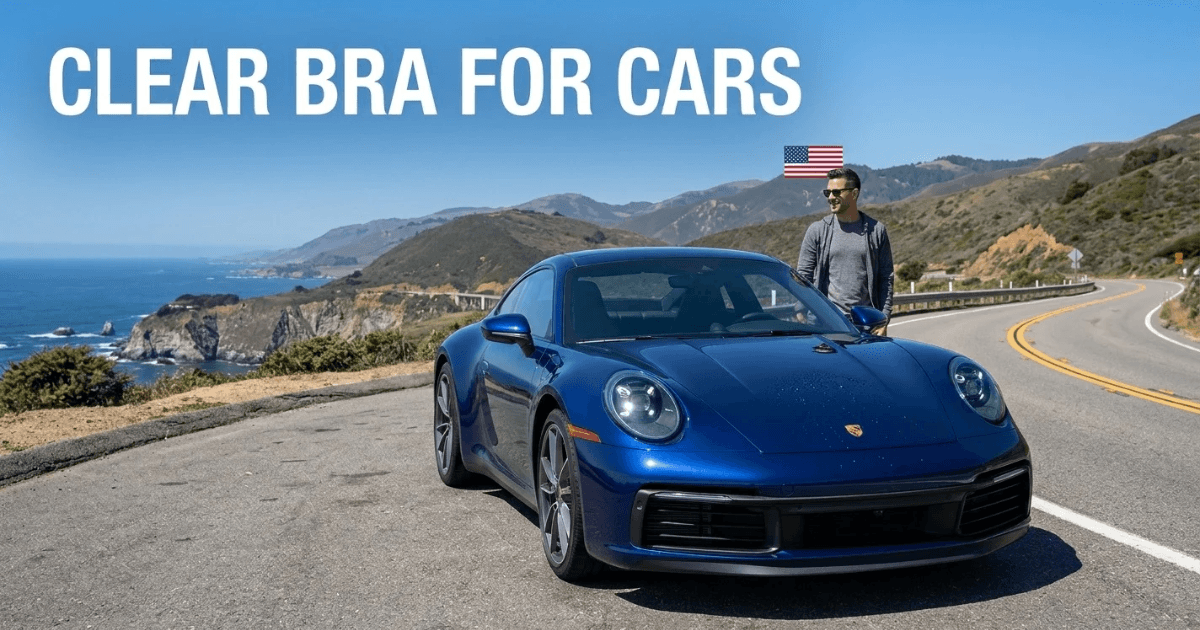
Every car’s exterior battles road debris, harsh sunlight, bird droppings, insects, and environmental contaminants. Add the minor scratches from washing and parking, and you get everyday paint damage that eats away at both appearance and long-term value.
That is why I started using a clear bra for cars, also known as paint protection film or PPF. It works as a transparent protective layer that keeps the original color and finish visible while it takes the abuse your paint would otherwise absorb.
In this guide, I’ll cover how a clear bra for cars works, its advantages and disadvantages, the costs, and the maintenance requirements, so you can decide if it suits your car.
What Exactly Is a Clear Bra?
A clear bra for cars is a transparent, flexible film made mostly from thermoplastic polyurethane (TPU). Installers apply it over painted exterior surfaces to create a protective barrier against everyday road hazards.
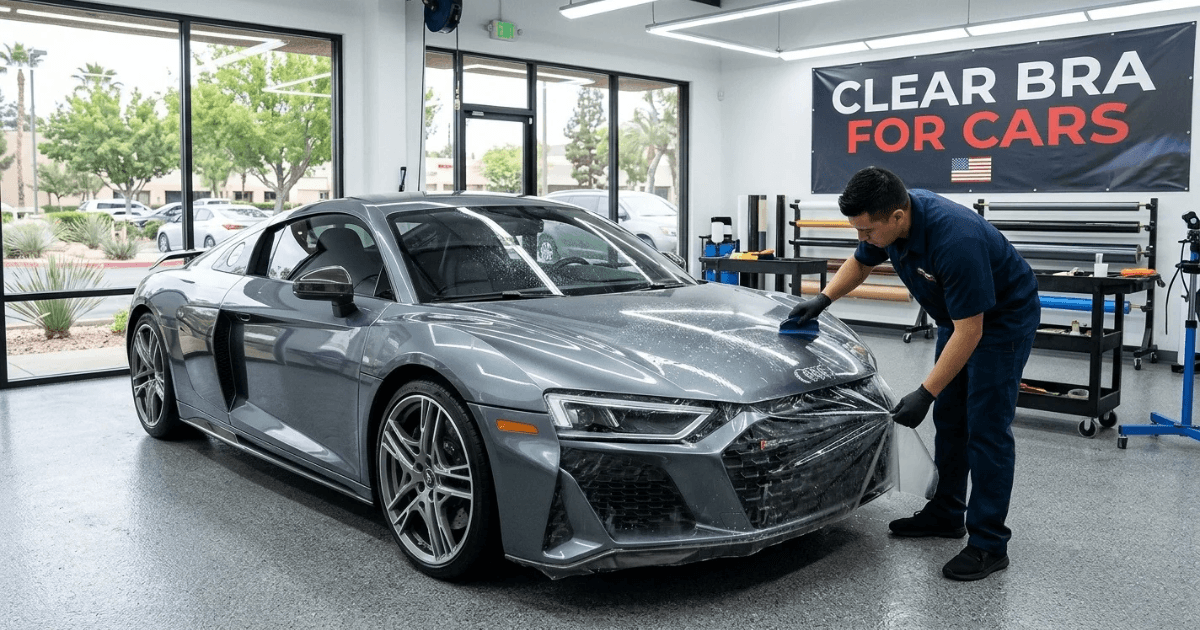
I like to call it a sacrificial protective layer. When a small stone hits the car, the film takes the impact instead of your paint. Many films also carry a self-healing topcoat that erases swirl marks and minor surface scratches under suitable heat.
You may hear other names, such as Clear Car Wrap, Rock Chip Protection Film, or Invisible Paint Protection. Unlike decorative vinyl wraps, which change a car’s look, a clear bra simply guards the original paintwork.
Common target areas include the front bumper, hood, front fenders, side mirrors, headlights, door edges, and rocker panels. You can choose partial coverage, full-front protection, or a complete body installation based on your budget and driving habits.
How the Film Protects Your Paint
Modern PPF stacks several layers that work together. The thick protective polyurethane layer gives flexibility and impact resistance, so it absorbs gravel, small stones, and road debris before they can chip the underlying paint.
The self-healing topcoat sits on top and helps light surface scratches fade with heat. It cannot fix deep cuts or punctures, and I always tell owners that upfront.
Underneath, a specialized adhesive bonds the film to the painted surface. Proper preparation and correct installation stop bubbling and edge lifting, which is why a good clear bra for cars depends as much on the installer as on the film.
Key Benefits of a Clear Bra for Cars
Protection From Stone Chips
Rock chips cause most of the paint damage I see. Small stones and gravel fly off tires on highways and gravel roads, striking the front bumper, hood, and side mirrors first. Film covers these high-impact areas and stops paint chipping before it starts.
Highway commuters notice the difference fastest. Still, no film can stop every dent or severe impact.
Fewer Everyday Scratches
Parking, washing, and tight narrow spaces leave light surface marks and abrasion on bare paint. A clear bra for cars reduces most of this wear, though no film is fully scratch-proof.
The Factory Look Stays Intact
Because the film stays transparent, it preserves the factory paint and original paint finish. When professionals install it well, you can barely see it. This matters most for luxury vehicles, sports cars, and cars with difficult-to-match paint colors.
Defense Against Sun and Contaminants
Long UV exposure can cause fading and paint oxidation. Quality films offer UV resistance, which helps cars parked outdoors. They also shield the clear coat from bird droppings, insect residue, and tree sap, though you should still clean these off quickly.
Self-Healing and Easier Cleaning
Apply heat from sunlight or warm water, and swirl scratches fade away, so you skip constant polishing. Many films also have hydrophobic topcoats that make routine washing quicker and help you avoid stubborn stains.
Better Resale Appeal
Clean paint keeps prospective buyers interested and supports resale value. I still treat a clear bra for cars as a protective investment, not a guarantee, since mileage, service history, and market demand also shape the price.
Choosing Your Coverage Level
The right PPF package depends on your driving habits, budget, parking conditions, and plans for long-term ownership. Here are the main coverage options I recommend people compare.
Partial-front PPF protects the leading edge of the hood, the front bumper, and the mirrors. Full front protection covers the entire hood, bumper, front fenders, and mirrors, which suits daily drivers who face constant road debris.
Full body protection covers almost every painted exterior panel. Owners of luxury cars and new vehicles often choose it, but it adds cost and installation time.
Don’t ignore smaller spots either. Door edges and door cups collect marks from walls, fingernails, and rings, while headlight protection film helps prevent pitting on headlight lenses. A complete clear bra for cars plan covers these areas too.
How Much Does a Clear Bra for Cars Cost?
The upfront cost is the biggest hurdle for most buyers. Professional installation needs specialized materials, careful preparation, and skilled labor, and the final price reflects all three.
Vehicle size matters, since SUVs and larger cars need more film. The film brand, coverage area, installation complexity, and any paint correction for existing scratches also raise the bill. Premium films with longer warranties cost more too.
In my experience, partial-front protection costs the least, then full-front, then full-body coverage. Get written quotations for each level and confirm whether the price includes surface preparation, aftercare instructions, and warranty coverage.
Downsides to Know Before You Buy
A clear bra for cars isn’t perfect, and most problems trace back to poor-quality products or improper installation.
Edge lifting and peeling: Poor adhesion, weak edge finishing, or blasting high-pressure water at film edges can lift the film and let dirt and moisture creep underneath. A reputable installer and proper edge wrapping reduce this risk.
Yellowing: Lower-quality films with weak UV resistance can show discoloration or haziness over time. Check the manufacturer’s warranty for yellowing, cracking, bubbling, and delamination coverage.
Bubbles and seams: Air pockets, trapped dirt, and poor cutting leave bubbles and visible seams. Shops using vehicle-specific cutting patterns get cleaner results and avoid blade damage.
Removal risks: Repainted panels, weak clear coats, and cheap aftermarket paintwork can lift with the film. Professional removal with controlled heat keeps the risk low, so always mention previous paintwork or accident repairs before installation.
Ongoing care: The film won’t look after itself. Neglect and unsuitable chemicals make even good film deteriorate early, so follow the maintenance instructions your installer gives you.
How to Pick the Right Film and Installer
The installer matters even more than the film. I’ve watched rushed jobs ruin premium material. Look for an experienced installer who knows your make and model, and review their installation photographs, completed work, and customer feedback.
Ask if they use precision-cut patterns and how they handle complex curves and exposed edges. A clean workspace keeps dust and contamination out from under the film.
Never choose on price alone. Compare film clarity, thickness, impact resistance, self-healing performance, and expected durability. Then read the warranty period, claim requirements, and warranty exclusions, and learn how manufacturer warranties differ from installation warranties.
If you hate surface marks, ask about a proven self-healing topcoat and the manufacturer’s testing for yellowing. An honest installer always explains the film’s limitations instead of promising perfection.
Clear Bra or Ceramic Coating?
People ask me this almost weekly. A clear bra for cars forms a physical barrier against stone chips, minor impacts, and abrasion. A ceramic coating adds a thin surface layer that boosts gloss and water repellency but offers little impact protection.
Think of it this way: the film acts as armor, while the coating acts as a raincoat. Both help, but only one stops a flying stone. For comprehensive protection, I put PPF on high-impact areas and a compatible ceramic coating on the remaining paint. Always check compatibility with both manufacturers before coating over film.
Caring for Your Film After Installation
Good care protects the film’s clarity, adhesion, and useful life. Let the film cure first, and follow the installer’s instructions on the waiting period. Small moisture pockets often vanish during the curing period.
After that, wash regularly with a pH-balanced automotive shampoo and a microfiber wash mitt. Remove bird droppings and tree sap quickly, and keep the pressure washer away from film edges.
Inspect periodically for lifting, cracks, or discoloration. Use only compatible products, such as approved waxes and sealants, and skip strong solvents and abrasive polishing products. Proper care keeps a clear bra for cars looking clear for years.
How Installers Apply a Clear Bra for Cars
In a professional clear bra installation, the installer first works to clean the vehicle and prepare the paint, removing grease, embedded contaminants, and paint defects. Film magnifies underlying imperfections, so this step matters.
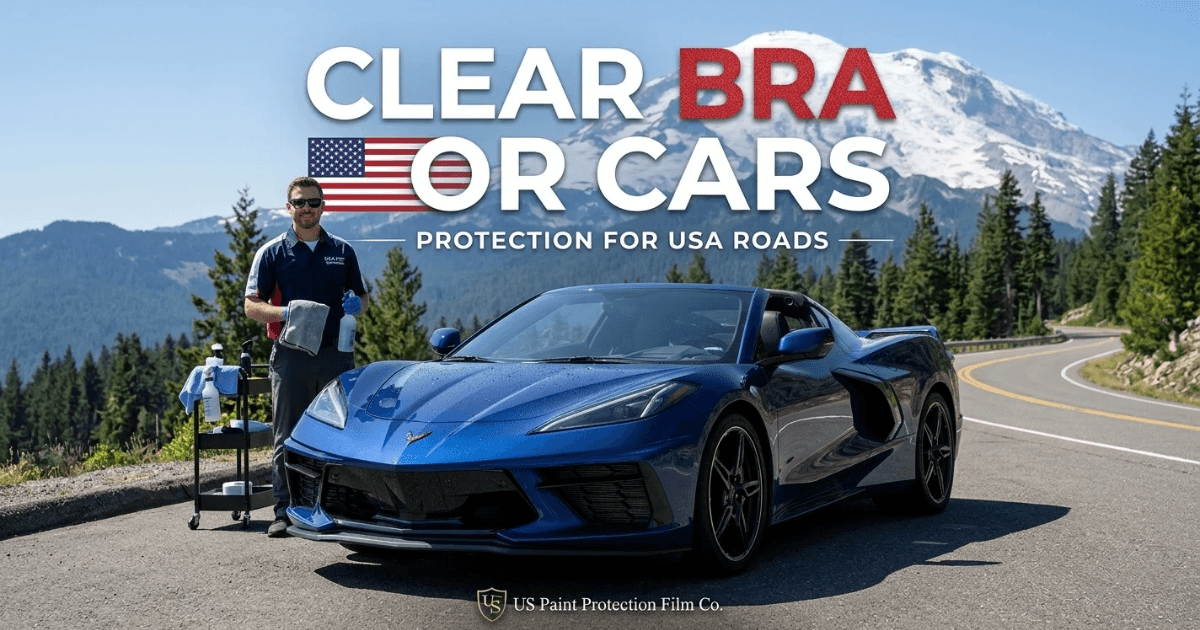
Next, they measure and position each piece, spray an application solution, and squeeze out trapped moisture to prevent wrinkles and bubbles. Finally, they inspect the edges and allow proper curing time.
Is a Clear Bra for Cars Worth It?
For me, it becomes a worthwhile investment when you own a high-value vehicle, drive on highways often, or park outdoors. New cars, luxury vehicles, and sports cars gain the most.
It makes less sense with limited budgets, low annual mileage, or a short expected ownership period. Weigh the installation cost against the cost of repairs. For many drivers, targeted front-end coverage on vulnerable panels gives the best balance of protection and cost.
You don’t need to wrap the entire vehicle on day one. Start with partial coverage or full-front coverage, and add more panels later if your driving conditions demand it.
Final Thoughts
After years with film on my own cars, I see a clear bra for cars as one of the smartest ways to protect automotive paint from road hazards and environmental damage. It keeps a new car close to its original appearance.
Weigh the upfront cost and removal risks, compare film quality and warranty terms, and pick an installer with real experience. Match your coverage to your driving habits and budget, and stick to a simple maintenance routine.
FAQs
What is a clear bra for cars?
A clear bra for cars is a transparent paint protection film that shields painted surfaces from stone chips, minor scratches, road debris, and environmental contaminants.
How long does a clear bra last?
Its lifespan depends on film quality, installation, climate, and maintenance. Some premium films carry manufacturer warranties of up to 10–12 years, but real-world performance varies by product.
Can a clear bra damage the original paint?
When a qualified professional installs and removes it from properly prepared paint, the original paint usually stays safe. Previously repainted surfaces and poor removal methods raise the risk.
Is a clear bra better than ceramic coating?
Neither wins outright. PPF gives physical impact protection against stone chips, while a ceramic coating improves gloss, water repellency, and easier cleaning. Many owners use both.
Should I get a clear bra for cars right after buying a new car?
Yes. Installing a clear bra for cars early protects the factory paint before chips and scratches appear. Just make sure your installer has inspected and properly prepared the paint first.