

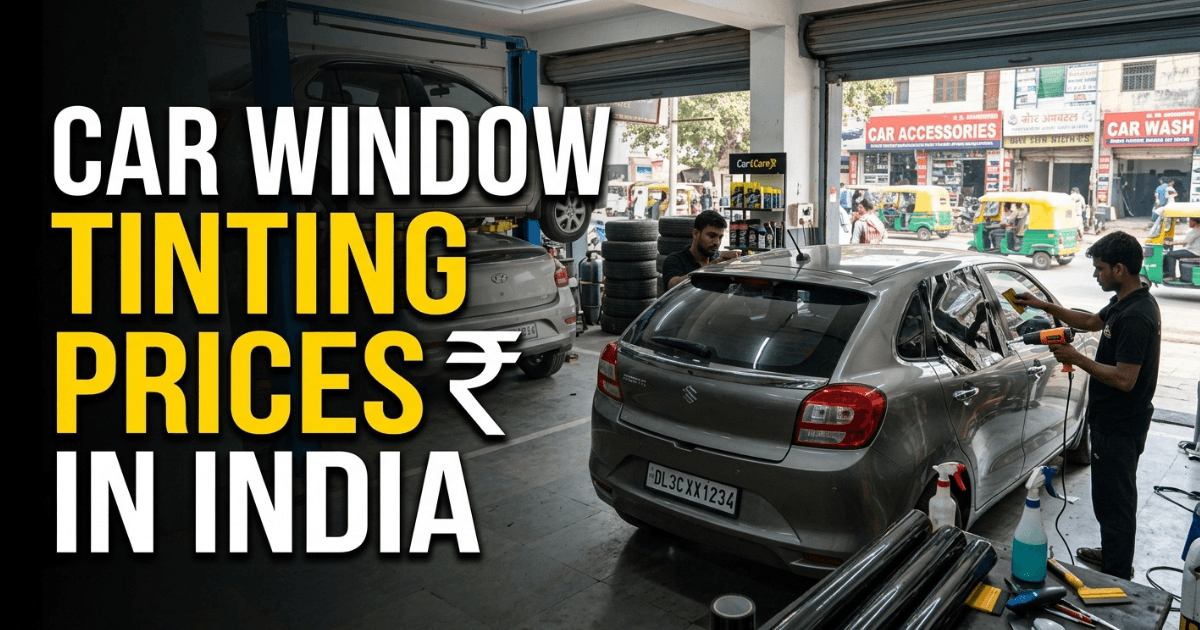
The memory pushes a driver in India to research car window tint options and car window tinting prices before buying who has left a parked car under the afternoon sun knows the cabin feels like an oven within minutes. A window film that blocks heat, cuts glare, gives a stylish appearance, and shields the cabin from harmful UV exposure feels like sense, not luxury.
Owners chasing a cooler car cabin in hot and sunny weather often pick Garware Hi-Tech Films, whose automotive safety glazing lineup includes Ice Cool and Arctic Cool Safety Glazing. Choosing is never as simple as the darkest shade, since film type, quality, and windows covered shift final cost. Strong sunlight raises the interior temperature and fades the dashboard, seats, and every surface through steady ultraviolet radiation. Dyed film, metalized film, carbon film, ceramic film, and hybrid films bring different durability levels, so comparing them matters.
What Is Car Window Tint?
A car window tinting prices discussion starts with basics: a thin film stuck onto vehicle glass from the inside. Its construction decides how it reduces sunlight, glare, heat, and UV radiation entering the cabin, since options differ in visible light transmission, heat rejection, privacy, and long-lasting clarity.
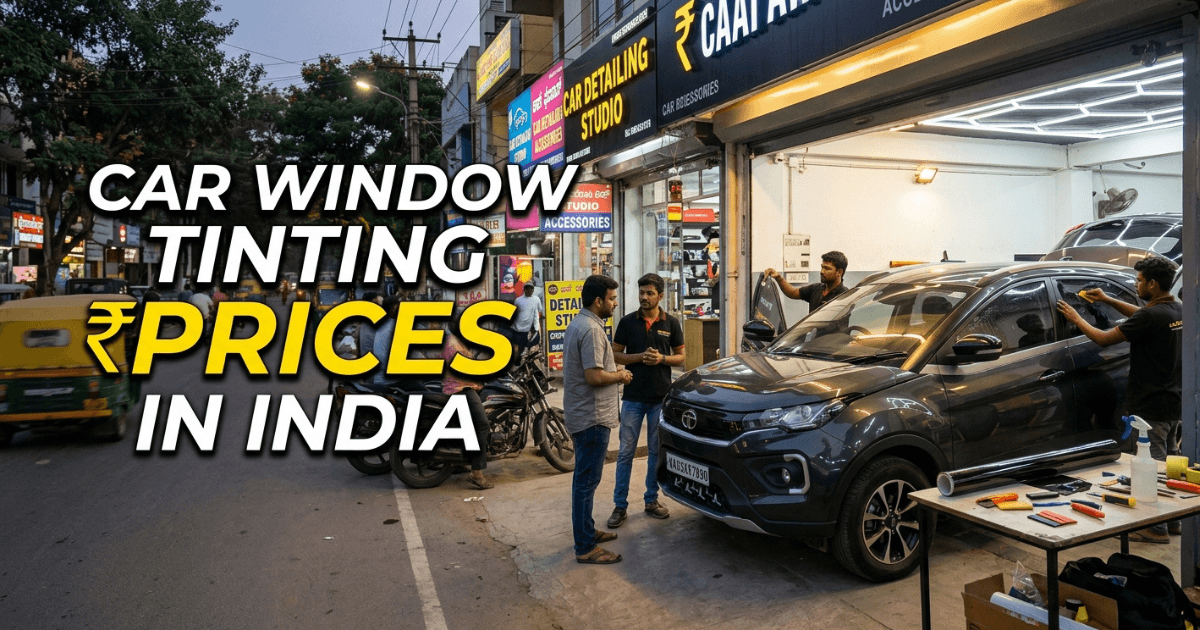
Basic films focus only on appearance, while advanced films built around premium ceramic deliver stronger thermal performance and lasting results. Before spending money, check how much sunlight the film controls and confirm local requirements and VLT requirements, since these shape fair car window tinting prices.
Benefits of Car Window Tint
A quality film built from ceramic window films can reduce heat dramatically, which explains fair car window tinting prices, keeping the cabin comfortable in hot and sunny conditions and easing the air-conditioning system load.
Prolonged exposure to UV radiation harms passengers and damages the vehicle interior, causing fading, deterioration, and cracked interior materials. A good film shields occupants from excessive UV exposure with real UV protection and cuts glare near sunrise, sunset, or reflective roads.
Tinted glass adds genuine privacy, though darkness of film must respect local regulations and visibility requirements. Garware rates its sun control film for solar heat rejection up to 47%, with sunroof products reaching 56%, plus 99% UV rejection protecting the dashboard, seats, and door panels from UV-related fading, and infrared rejection up to 93%; in a crash, safety glazing films hold shattered glass together, cutting flying fragments risk.
Cost / Price of Car Window Tint
Pricing a car window tint in India is never a fixed number. The tint film you choose changes car window tinting prices, since traditional films, metallic films, carbon-ceramic options, and ceramic films sit at different performance levels and costs.
Premium films reward better heat rejection, UV protection, and durability. Higher-quality window films cost more than basic alternatives but offer better color stability and longer warranties, while a cheap film lowers initial expense, only to fade, bubble, or peel within a year or two.
Large windows on SUVs or luxury vehicles cost more than small hatchbacks, and professional installation raises the overall price for a cleaner finish. The Detailing Mafia quoted ₹10,000 to ₹15,000, while Delhi, Mumbai, and Bengaluru ranged ₹8,000 to ₹17,000.
Current car window tinting prices shift with film technology like nano-ceramic options. Garware automotive film pricing depends on the product selected and vehicle size: Ice Cool Safety Glazing starts at a base rate plus GST, Arctic Cool Safety Glazing starts around ₹21,500, sunroof film sits between ₹9,000 and ₹18,000, and the CarzSpa guide quotes ₹5,000 to ₹25,000 for a mid-sized car.
Legal / VLT Requirements in India
Before checking car window tinting prices, check rules for your state, since tint regulations revolve around visible light transmission, darkness, and reflectivity permitted under law. Verify current requirements for your vehicle and location, not an old percentage.
CMV requirements set prescribed VLT limits, and a September 10 2024 High Court judgment on safety glazing confirmed a front windshield and rear window need minimum 70% VLT, while side windows need minimum 50% VLT.
VLT, or Visible Light Transmission, measures how much visible light passes through the glass and film combination. A higher VLT percentage gives a lighter appearance, a lower VLT a darker glass appearance, and this covers colored films and blue window films, since legality comes from VLT limits and rules, not appearance.
Professional Installation
Professional installation adds a little to car window tinting prices, but it pays off through a cleaner finish a rushed job cannot match. A roadside installer rushing a tinting job often leaves air bubbles, wrinkles, and peeling edges in a week from incorrect installation.
An experienced installer brings appropriate tools and refined installation techniques no high-quality film replaces alone. Good technique means fewer air bubbles, clean edges, and better optical clarity, with proper glass preparation giving longer-lasting results.
A certified installer honors the manufacturer’s warranty through approved installation, avoiding poor results.
How to Choose the Right Film
Start by checking the VLT, since different film levels change visibility and must respect legal requirements before you settle on a tint shade. Never judge car window tinting prices purely by darkness, because a lighter premium film can outperform a darker basic film.
Ask about the UV protection rating in regions with strong sunlight, and confirm the warranty, since good coverage guards against fading, bubbling, and peeling. If windshield heat bothers you most, choose a windshield-specific product with strong optical clarity.
For cooler side windows and rear windows, compare heat-rejection specifications; a sunroof needs a dedicated moonroof film to block direct solar heat. Set a realistic budget based on real car window tinting prices, since dyed films stay cheap while premium ceramic films and carbon films cost more, and GPS users should weigh signal compatibility, since electronic signals can suffer interference.
Comparisons
Buyers weighing a car window tint amid strong sunlight and high temperatures ask if a nano-ceramic film beats a basic tint. Premium ceramic films win on heat rejection, UV protection, glare reduction, and optical clarity, though the catch is a higher initial cost.
Traditional dark black films get chosen mainly for appearance and privacy, yet a darker film does not always win on performance. A quality safety glazing film focuses on real solar heat rejection, glass protection, and installation quality, which shapes final car window tinting prices.
Comparing Garware against 3M, smart buyers judge the specific film, not the brands, checking specifications like VLT, IR rejection, and warranty. Among film families, Dyed, Metalised, Carbon, Ceramic, and Hybrid show heat rejection levels from Basic to Excellent, with prices from Low to Medium-High.
What Is Garware Sun Control Film?
Garware sun control film is a purpose-built type designed to manage sunlight entering the vehicle cabin, which explains why this brand’s car window tinting prices sit higher than basic options. Unlike ordinary dark tint films, these safety glazing products combine solar-control properties with a tough polyester film structure built to hold glass together if it breaks, meeting CMV Rule 100 and IS 2553 Part 2 requirements.
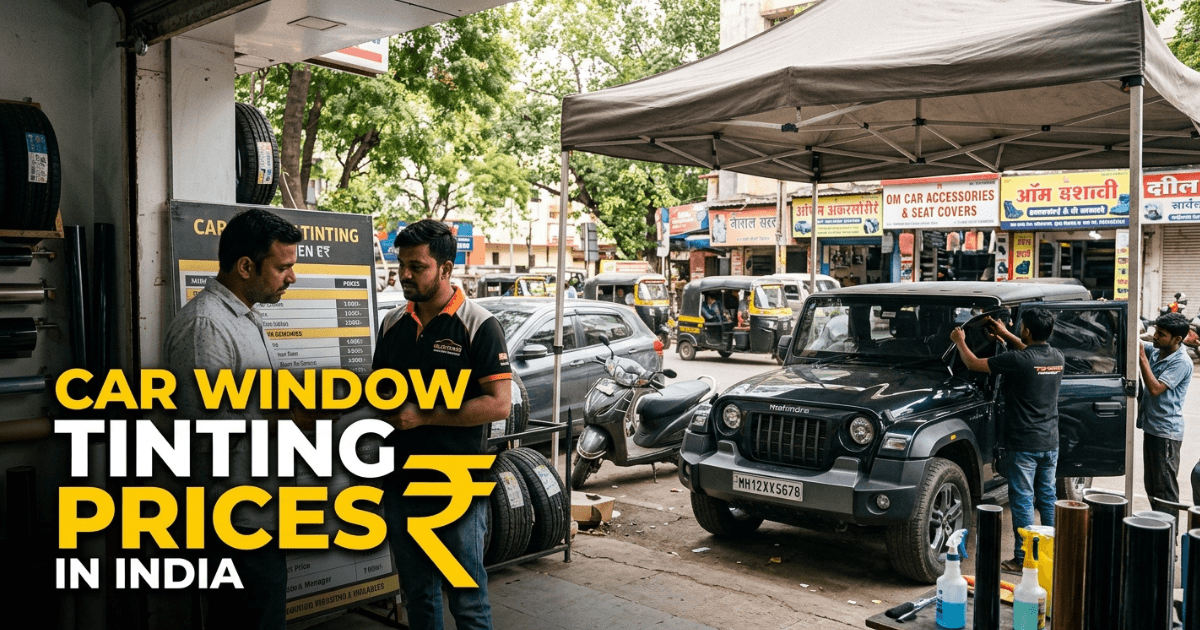
Buyers get genuine heat reduction, dependable UV protection, strong infrared rejection, useful glare reduction, and additional glass safety in one package.
Types of Garware Automotive Films
The Garware range covers two families: Garware Ice Cool Safety Glazing and Garware Arctic Cool Safety Glazing, built for windshields, side windows, and rear windows. The Ice Cool Shield SG 82 targets the front windshield at VLT 82%, total solar heat rejection 35%, UV rejection 99%, and IR rejection 93%, wrapped in high optical clarity.
The Ice Cool Elite SG 70 delivers VLT 69% with total solar heat rejection 47%. Arctic Cool is a premium option for stronger solar heat rejection in hot and sunny conditions, with the Arctic Cool Shield SG 80 offering VLT 79% and total solar heat rejection 42%, which lifts car window tinting prices for that tier.
Garware Sun Control Film for Sunroof
Modern cars, especially premium SUVs and luxury vehicles, come with sunroofs or full panoramic roofs, and these large glass surfaces let in plenty of sunlight. Garware answers with dedicated moonroof sun-control kits.
The Moonroof 70 Sun Control Roof Kit offers 48% heat rejection, 99% UV rejection, and 97% IR rejection; the Moonroof 50 Sun Control Roof Kit pushes to 56% heat rejection. Sunroof film prices range between ₹9,000 and ₹18,000 plus GST, another factor in overall car window tinting prices.
Types of Car Window Tint
Dyed film counts as the simplest and most affordable entry point, cutting sunlight as it hits the glass. It offers basic privacy and a non-reflective appearance suiting budget-conscious car owners, though it tends to fade after prolonged exposure; the CarzSpa guide notes most sheets need replacement within two to three years.
Metalized window films rely on tiny metallic particles that reflect sunlight, giving good heat reflection and strong scratch resistance, though these particles can interfere with electronic signals like GPS and radio reception. Carbon window film uses fine carbon particles for strong heat rejection, with a signature matte appearance, good heat reduction, and better durability, though it runs more expensive.
Ceramic film sits among the most advanced films, using non-conductive ceramic particles for serious solar protection, with excellent heat rejection, strong UV protection, and long service life, though its drawback is price. Hybrid window film blends dyed and metallic technologies for a middle balance of price, heat rejection, and durability, beating a plain basic dyed film while staying more affordable than premium ceramic options.
Final Thoughts
A good car window tint in India lifts cabin comfort, cuts glare, adds UV protection, and gives any car a stylish appearance. The right pick depends on type of film, quality, vehicle size, budget, and local car window tinting prices.
Basic films suit an affordable option for tight budgets, while carbon films and nano-ceramic films reward drivers chasing stronger heat rejection. Compare specifications and warranty coverage before buying based on car window tinting prices alone.
Garware sun control film stands out as a genuine automotive upgrade for better cabin comfort and glare reduction. Instead of picking the darkest dark film, compare VLT, safety features, and legal compliance, since a professionally installed genuine automotive film rewards lasting protection.
Chasing the darkest shade rarely pays off. A film chosen for budget-conscious drivers through dyed films earns its place, while ceramic films lead on premium heat rejection and clarity.
FAQs
Is Car Window Tint Legal in India?
Yes, but only within limits, since rules vary by state and cover tint regulations around visible light transmission permitted by law. Double-check current requirements for your vehicle and location, not an old percentage, before comparing car window tinting prices.
Is Blue Film Legal for Car Windows in India?
Not automatically, and this trips up many buyers. Colored films, including popular blue window films, live or die on the applicable requirements and VLT limits for car windows, not appearance, so confirm full compliance with current Indian motor-vehicle regulations before choosing any blue film.
Is Nano-Ceramic Tint Worth It?
For drivers who regularly face strong sunlight and high temperatures, a nano-ceramic film is worth the extra spend over basic tint and typically higher car window tinting prices. Premium ceramic films bring strong heat rejection, useful glare reduction, and increased cabin comfort, though the downside is a higher initial cost.
How Long Does a Car Window Tint Last?
Lifespan depends heavily on film technology, local climate, careful installation, and ongoing maintenance. Basic dyed films last only two to three years, while premium ceramic products go the distance, some surviving seven to ten years with proper care.
Does Window Tint Reduce Car AC Usage?
Yes, a quality sun protection film meaningfully cuts solar heat entering the cabin, lightening the load on the air-conditioning system. That said, real fuel savings depend on your vehicle, local weather, and daily driving conditions — one more reason to weigh car window tinting prices against long-term value.