

Neglecting routine maintenance can quietly shorten a vehicle’s lifespan and drain your wallet through expensive repairs down the road. Early on, I realized that mastering car service at home was just as valuable as relying on a professional workshop.
A little hands-on knowledge goes a long way toward better fuel efficiency and stronger engine performance. With the right tools and a few safety precautions, most owners can manage this process on their own driveway.
Tools and Parts You’ll Need for Car Service at Home
Before starting any car service at home project, I lay out everything within reach: a sturdy hydraulic jack and jack stands, a reliable oil filter wrench, and a socket and wrench set.
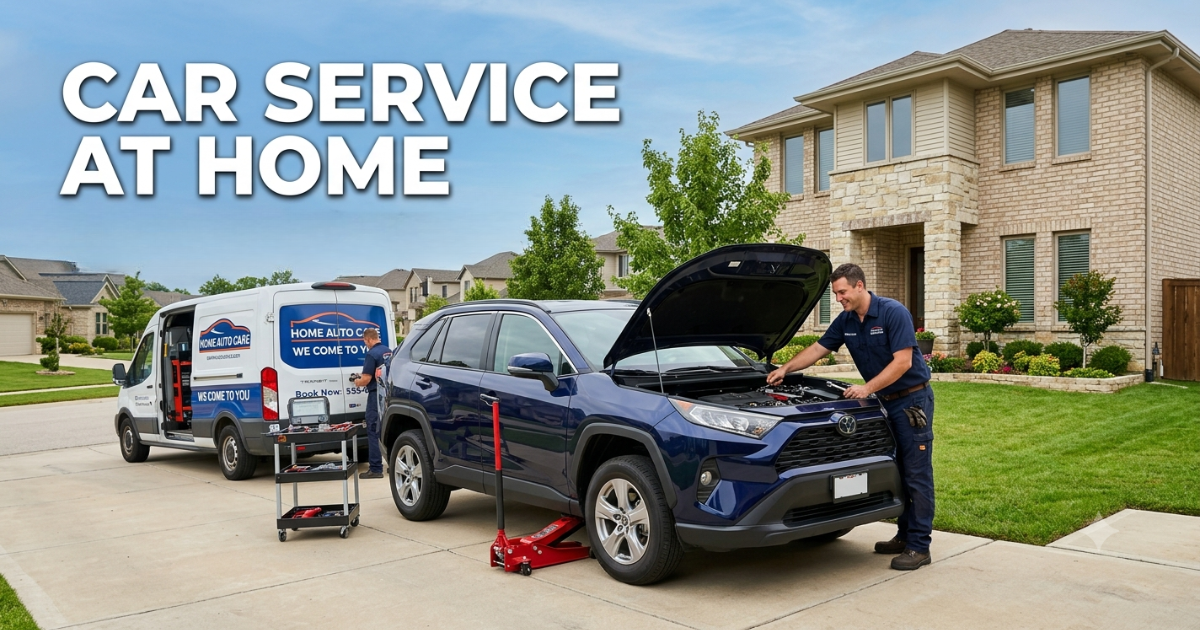
I also grab an oil drain pan, a genuine oil filter, and fresh engine oil matched to the correct grade and viscosity. I never skip safety gloves and protective eyewear, since engine components get scalding hot.
I also keep a diagnostic tool nearby in case the service reminder needs resetting once the job is done. Checking the owner’s manual first saves headaches later, because every vehicle lists its own manufacturer specifications for replacement parts, and skipping that step is where most beginners go wrong.
Step 1: Prepare the Vehicle and Prioritize Safety
Any successful car service at home session starts with rolling the car onto a flat, stable surface. I then let the engine idle for a bit so warm oil flows more freely than cold oil ever would.
Once the engine has warmed up, I lift the vehicle carefully with the hydraulic jack, always resting its full weight on jack stands placed under the correct jacking points, because safety should never be optional.
If I’m running an engine flush, I follow the manufacturer’s instructions closely. Then I pull on gloves and safety glasses to keep debris, chemicals, and hot oil away from my skin and eyes.
Step 2: Change the Engine Oil
The heart of any car service at home routine is giving the engine fresh oil, since old oil is basically the lifeblood of a tired vehicle. I place a drain pan under the oil pan, then pull the drain bolt free and let everything run out.
While it drains, I check for dirt and metal particles that might hint at hidden engine problems. Next, I wipe down the drain plug and fit a new sealing washer before bringing out the oil filter wrench.
I remove the old filter and smear fresh oil on the rubber gasket of the new one for a tighter seal. Then I pour in new oil, choosing a synthetic blend with the right grade for better lubrication and protection against extreme temperatures.
I loosen the oil filler cap to help the engine breathe while topping up, then let the engine idle for a few minutes to check for leaks. This stage wraps up once the dipstick confirms the correct oil level, restoring full performance.
Step 3: Replace the Air Filter
Good airflow keeps an engine happy, so this part of car service at home always starts with checking the air filter housing for dust buildup. From there, I decide whether the filter needs a swap or just a clean.
A standard paper filter usually gets replaced outright, while a reusable performance filter can be refreshed using a proper cleaning kit, dried, then coated with fresh filter oil. Keeping the airbox free of debris protects the engine intake, and this simple step directly boosts fuel efficiency on every drive.
Step 4: Replace the Cabin Air Filter
A clogged cabin air filter is easy to overlook, yet it quietly lets dust, pollen, and other pollutants build up inside the cabin. Musty odors can creep through the vents before you even notice the cause.
Swapping in a fresh filter made from activated charcoal clears the air fast during this stage of car service at home. I always double-check the airflow direction marked on the housing before sliding it into place, since getting this small task right protects your air conditioning performance for the whole season.
Step 5: Check Fluids and Finish the Service
Before calling any car service at home job done, I walk around the car and check every corner the engine touches. That means coolant levels, brake fluid, and the condition of hoses, belts, and tyres, since these essential fluids and parts keep a vehicle safe on the road.
I also glance over the brake components and look closely around the oil drain plug and filter for any leaks, because small drips now mean bigger trouble later. Finally, if the service interval display is still counting down, I reset it using a diagnostic tool, following the owner’s manual, so the reminder matches the real mileage instead of an outdated figure.
Conclusion
Looking back at every oil change I’ve done in my own garage, car service at home has saved me real money and cut down on maintenance costs that would otherwise pile up at a shop. It has taught me that this kind of home maintenance isn’t as intimidating as it first looks.
It also builds genuine safety habits and hands-on skill, since spotting potential issues early means fewer costly repairs down the line for any vehicle owner. Even beginners can turn simple, routine car service at home into lasting confidence, as long as they use quality replacement parts and keep the right tools close by.
FAQs
Car Service at home
Is it safe to do car service at home without professional training?
Yes, basic maintenance like oil changes and filter replacements is safe for beginners as long as you follow proper safety steps, use jack stands, and refer to your owner’s manual for specifications.
How often should I perform car service at home?
Most vehicles need servicing every 10,000 km or as recommended in the owner’s manual, though this can vary based on driving conditions and the type of oil used.
What tools are essential for car service at home?
You’ll need a hydraulic jack, jack stands, an oil filter wrench, a drain pan, gloves, safety glasses, and the correct replacement oil and filters for your specific vehicle.
Can car service at home replace a full workshop inspection?
Not entirely. Home servicing covers routine tasks like oil and filter changes, but complex issues involving brakes, suspension, or electronics still require a qualified mechanic’s diagnostic tools and expertise.
Does car service at home actually save money?
Yes, skipping labor charges by handling car service at home yourself typically cuts costs significantly, though you’ll still need to pay for quality parts and fluids.