
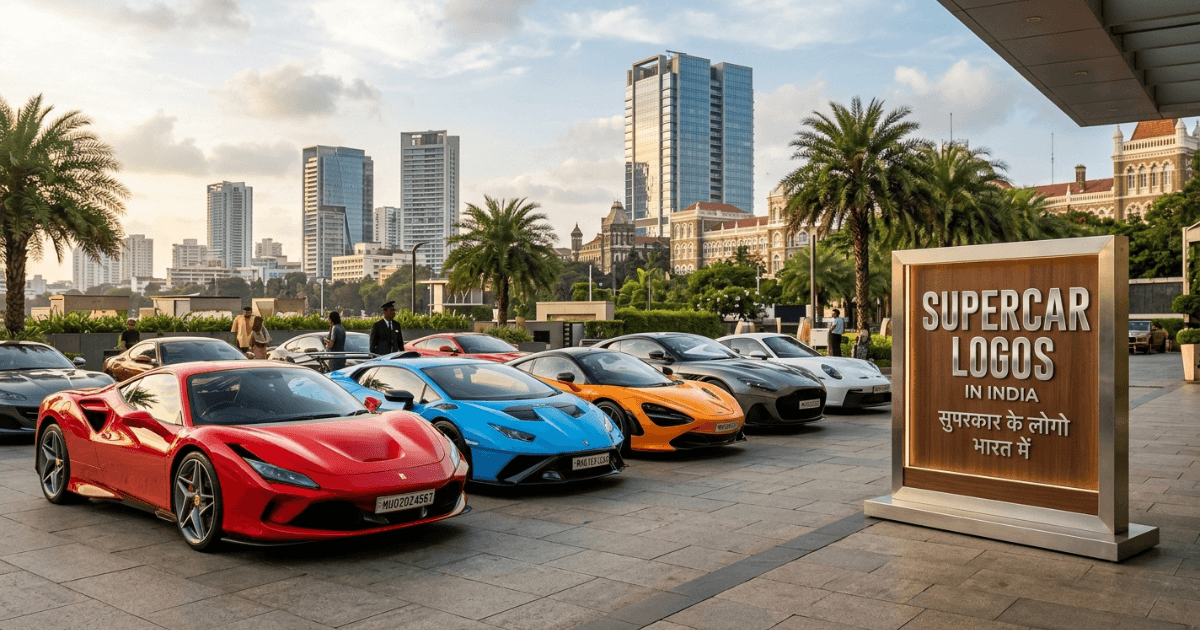
I have spent years studying supercar logos on showroom floors, and I still get a small thrill every time I spot a rare badge. A car brand builds far more than a name on a bonnet; it builds an identity that people remember for life.
This guide walks through car brands, logo design ideas, and the real stories behind the world’s most famous emblems. Along the way, you will see why these badges carry so much weight in this industry, and why a single badge can say more than a full page of marketing copy ever could.
What Are Car Brands?
A car brand works as a company tied to the production and sale of vehicles, and each one carries its own logo, design language, and market position. Some brands chase affordable family cars, while others build luxury vehicles, sports cars, electric vehicles, or high-performance hyper cars.
A useful collection called Car Logos lists 395 car brands and counting, sorted by country, category, popularity, and alphabetical order. Well-known names include Toyota, BMW, Ford, Mercedes-Benz, Lamborghini, Porsche, Ferrari, Volkswagen, Jaguar, McLaren, Bugatti, Maserati, Aston Martin, and Bentley.
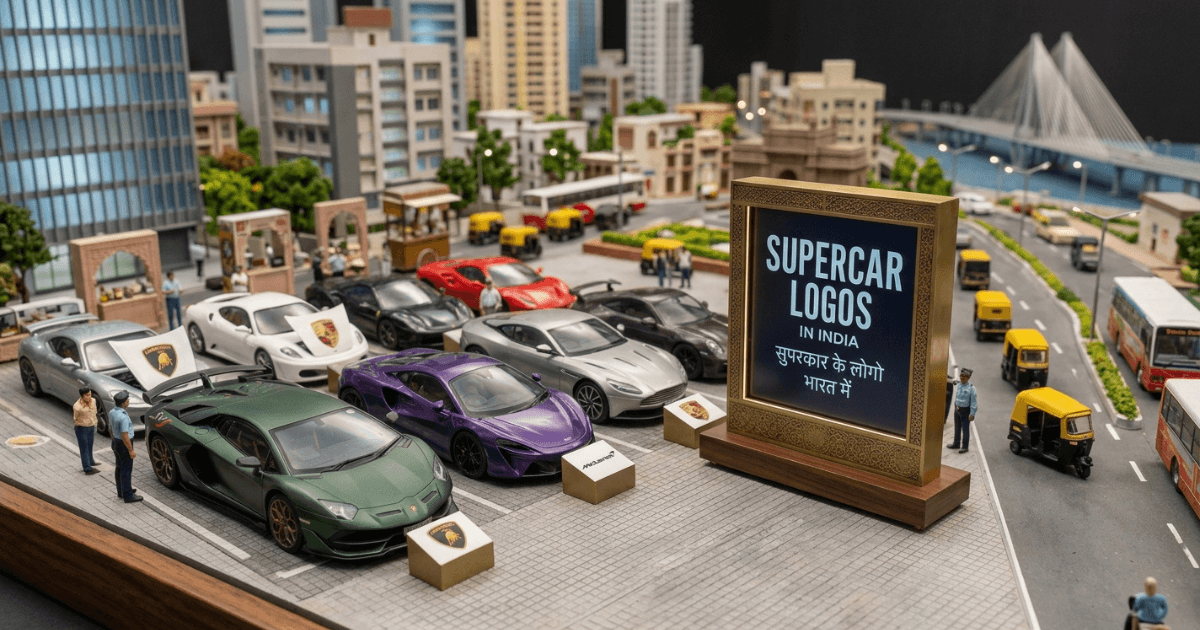
Most car badges lean on a small set of recurring shapes, including animals, shields, crowns, stars, and wings, and each shape carries its own emotional pull. A shield tends to signal protection and heritage, while an animal like a horse or bull suggests raw speed and power. Once you notice these patterns, a crowded car park starts to look like a small museum.
American brands like Ford, Chevrolet, and Jeep lean toward SUVs and pickup trucks. Japanese names like Toyota and Honda focus on reliability, while German brands like BMW and Audi lead on engineering. Italian and British marques, from Ferrari to Aston Martin, built their fame on style, speed, and badges that still turn heads decades later.
Types of Car Brands and Where Supercars Fit
Car manufacturers do not all chase the same buyer, so it helps to group them by type. Mass-market brands such as Toyota and Hyundai build practical cars for everyday transportation, while luxury brands like Audi and Cadillac focus on comfort, technology, and premium materials.
Sports car brands such as Porsche and Lotus chase driving performance and handling. Supercar brands push further still, blending high performance with distinctive styling and advanced engineering, and Ferrari and Lamborghini remain the two most recognizable names in this segment.
Hyper car makers like Bugatti and Koenigsegg sit at the extreme end of performance and exclusivity, building only a handful of cars each year. Electric brands such as Tesla and Rivian now bring that same performance-focused energy into a battery-powered future.
Luxury brands add value beyond raw speed, packing rich interiors, powerful engines, and smart driver-assistance features into every model. Buyers in this segment often pay for comfort and status as much as outright performance. That blend explains why badges from this class carry so much weight on the resale market.
What Is a Supercar Logo?
A supercar logo is a visual identity built around themes like speed, racing, power, luxury, and precision. Good supercar logos work for car dealerships, racing teams, tuning garages, and motorsport businesses alike.
I have watched a single well-placed badge turn a small garage into a name people actually remember. That is the real power behind strong supercar logos: they do the talking before a customer even asks a question.
Supercar Logo Design Ideas
Branition’s Supercar Logo Designs page shows three strong examples of supercar logos built for different needs. The Elegant Golden Shield Road Logo, priced at $500, combines a shield-style emblem with road and racing themes to signal strength, protection, and prestige.
The Race And Drift logo, priced at $600, leans straight into racing and drifting culture, and suits motorsport teams, drift events, and car clubs. Supercar Highlight, priced at $315, offers a simpler route to a badge tied directly to the supercar theme.
Design styles for supercar logos vary widely, from abstract and minimal marks to bold 3D shapes and clean black-and-white badges. No single format wins every time, since the right choice depends entirely on the personality of the business behind it.
Features of a Strong Supercar Logo
Great examples in this space almost always share the same handful of traits. Speed and movement matter first, since sharp lines, aerodynamic shapes, and dynamic symbols can make a flat badge feel like it is already in motion.
Luxury matters just as much, and metallic effects, elegant typography, and sophisticated shapes build that premium feel. Simple automotive symbols such as wheels, shields, and wings communicate purpose instantly, even at a small size on a phone screen.
Typography plays a bigger role than most beginners expect, since a heavy, bold font suggests strength while a slanted one suggests speed. Many successful marks combine just two or three colors, since a cluttered palette rarely reads well from a distance. Keeping the color count low also makes printing and merchandise far cheaper later on.
Recognition ties everything together. A badge that works beautifully on a billboard but turns into a blur on a business card has failed at its one real job.
Where Supercar Logos Get used, and How to Choose One
Supercar logos show up across dealerships, luxury rental companies, racing events, drift clubs, detailing shops, tuning garages, and YouTube automotive channels. The same mark also travels onto business cards, websites, social media, vehicle decals, and clothing.
Choosing the right one starts with honest thinking about business personality. A luxury dealership usually wants a refined, elegant emblem, while a drift team often prefers something aggressive and energetic.
Color matters too. Black, white, silver, and gold remain popular choices for automotive branding, but the smartest pick always depends on the company’s overall identity, not a passing trend.
The Stories behind Famous Car Badges
Some of the best supercar logos in the world carry real history. Alfa Romeo’s emblem blends a red cross tied to Milan with the Biscione, a serpent linked to the Visconti family, while Aston Martin’s winged badge grew from the founders’ early initials into the elegant mark drivers know today.
Audi’s four rings trace back to 1932, when four German manufacturers joined forces to form Auto Union, not to the quattro all-wheel-drive system many people assume. Bentley’s winged B nods to both its founder and the company’s early days building aircraft engines during World War I.
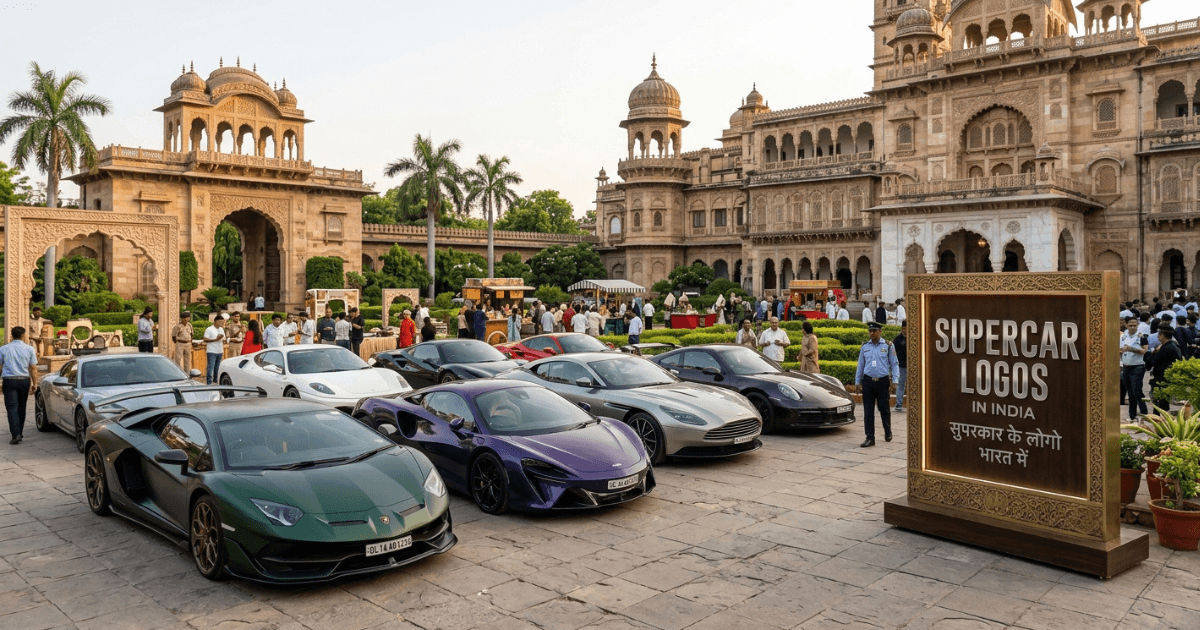
The BMW roundel borrows its blue and white from the Bavarian flag, despite the popular myth about airplane propellers. Bugatti’s emblem carries founder Ettore Bugatti’s own initials, and the brand came back from the dead decades after its original French company disappeared.
Ferrari’s Prancing Horse, the Cavallino Rampante, began as a tribute to a fighter pilot before Enzo Ferrari set it against Modena’s yellow background. Jaguar’s leaping cat has stood for power and agility since 1945, and Lamborghini’s bull traces straight back to founder Ferruccio Lamborghini’s love of fighting bulls.
Lexus keeps things simple with a stylized L inside an oval, while Lotus still carries founder Anthony Colin Bruce Chapman’s initials on British Racing Green. Maserati’s trident comes from a statue of Neptune in Bologna, and Mercedes-Benz’s three-pointed star once stood for ambitions on land, water, and air.
Nissan’s badge evolved from its earlier Datsun branding, and Porsche’s crest has barely changed since 1952, blending Stuttgart’s history with the old Kingdom of Württemberg. Every one of these marks proves that great automotive badges carry a story worth learning.
A clear pattern runs through nearly every story here, since most founders folded a birthplace, a personal passion, or an early business into the final design. That habit turns each badge into a small time capsule, frozen the moment a founder decided how the world would remember the company. Reading these histories back to back makes it obvious why so many badges still work decades after they first appeared.
What Makes a Great Supercar Logo?
The best supercar logos share three real strengths: strong symbolism, easy recognition, and lasting brand heritage. Ferrari’s horse, Lamborghini’s bull, and Maserati’s trident all connect straight back to a true origin story, and that depth is exactly what makes a mark stick in memory.
A logo also needs to work from a distance, using simple shapes and distinctive colors that a driver can spot in half a second. Heritage ties it all together, since a badge that evolves without losing its original identity keeps earning trust across generations.
Why Car Brands and Their Logos Matter
Car brands help buyers set real expectations before they sign a contract, and brand reputation shapes decisions tied to reliability, luxury, performance, and price. For enthusiasts, learning the stories behind supercar logos turns a simple drive past a dealership into a small history lesson.
A recognizable badge builds identity for luxury and performance brands alike, and it can carry speed, elegance, engineering, and heritage all in one small shape. In a crowded market, that kind of distinctive identity is what separates one name from its competitors.
Conclusion
Car brands stay wonderfully diverse, covering everything from family cars to full hyper cars built for every kind of driver. Strong supercar logos blend racing, strength, and technology into a single memorable mark, whether that badge belongs to a century-old manufacturer or a fresh design studio like Branition.
Beyond good design, these badges carry real history, ambition, and personality. For anyone who loves this industry, learning the meaning behind famous supercar logos remains one of the most rewarding ways to explore the automotive world.
FAQs
What makes a supercar logo different from a regular car logo?
A supercar logo leans harder on themes like speed, luxury, and exclusivity than a typical mass-market badge do. Most supercar logos use bold symbols, such as animals or shields, to signal performance and prestige at a glance. Founders often choose a strong visual metaphor specifically because customer’s process shapes faster than written words.
Why do so many supercar logos use animals as symbols?
Animals like Ferrari’s horse and Lamborghini’s bull suggest raw power, speed, and agility without a single word of text. This kind of symbolism helps supercar logos stay memorable across generations, since a strong animal mark rarely goes out of style.
How much does a professional supercar logo design cost?
Prices vary widely depending on the designer and platform, but examples from Branition range from around $315 to $600 for ready-made designs. Custom supercar logos built from scratch by an established studio can cost significantly more. Larger branding packages, including trademark research and full style guides, can run into the thousands.
Can a small automotive business use a supercar-style logo?
Yes, small dealerships, tuning garages, and drift clubs use supercar logos regularly to build a stronger visual identity. The key is matching the design to the business personality rather than copying a famous badge outright.
What colors work best for supercar logos?
Black, white, silver, and gold remain the most common choices, since they suggest luxury and precision. The right color for supercar logos always depends on the brand’s overall identity, not just current design trends.