

The inside of a car says more about its owner than most people realize. A thoughtful Car Seat Cover Design can turn a tired, ordinary cabin into a space that feels intentional and cared for.
Across India, drivers are moving away from plain factory upholstery and toward Car Seat Cover Design that reflect their personality. This shift isn’t just about looks either, it’s about comfort, protection, and long-term value all working together.
In this guide, we’ll walk through the trends, materials, and details shaping cabins in 2024. By the end, you’ll know exactly what to look for before your next Car Seat Cover Design upgrade.
Why Cabin Styling Has Become a Priority
For a long time, seat covers were treated as an afterthought like something bought only after the factory fabric started fraying. That mindset has changed as more drivers realize how much a Car Seat Cover Design shapes the everyday driving experience.
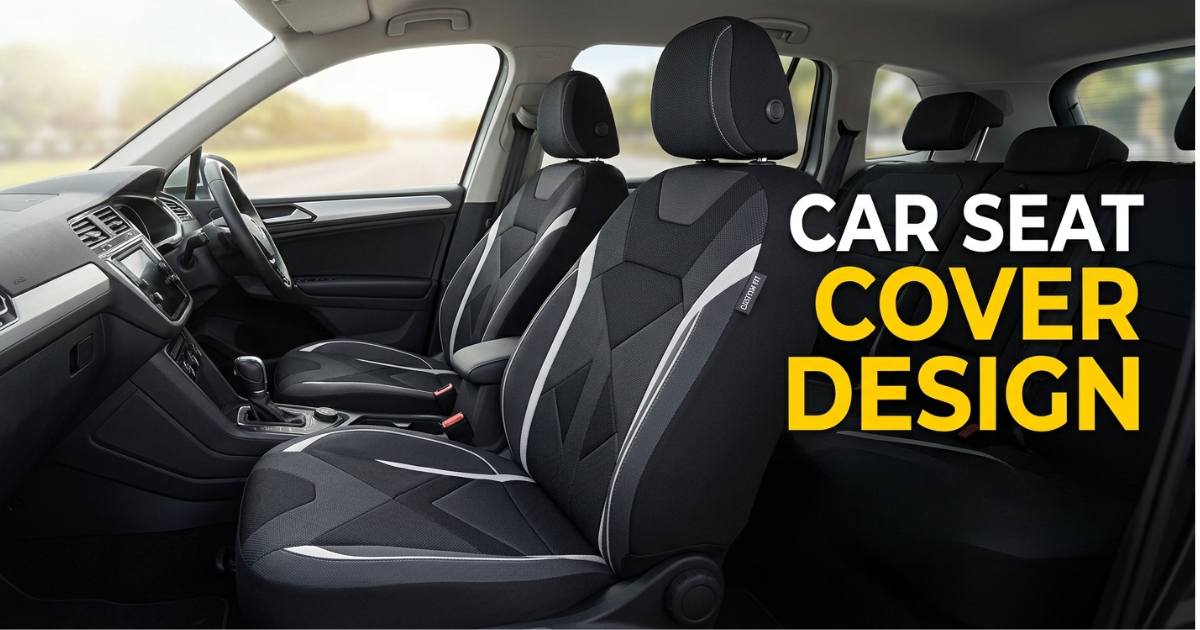
A well-chosen Car Seat Cover Design does more than dress up the seats; it protects the surface underneath from spills, sun, and daily wear. This matters enormously when it comes time to sell, since a clean, well-preserved interior almost always fetches a better resale price.
There’s also a simple emotional pull at play here: a beautiful cabin makes even a short commute feel a little more special. Drivers spend hours inside their cars each week, so it makes sense that comfort and appearance now carry real weight in buying decisions.
Materials That Define Quality
Not all covers are created equal, and the material used often determines whether a Car Seat Cover Design lasts two years or ten. Genuine leather remains the benchmark for luxury, prized for its rich texture and the way it ages gracefully over time.
PU leather has become a popular middle-ground choice, offering a similar look and feel at a fraction of the cost. It also tends to resist stains and spills better than raw fabric, which makes it a practical pick for families with kids or pets.
Breathable fabric blends are gaining traction too, especially in warmer regions where trapped heat can make leather uncomfortable. These blends allow air to circulate, keeping the seat cooler during long afternoons stuck in traffic.
Waterproof finishes have also become close to a standard requirement rather than a luxury add-on. Monsoon season alone is reason enough for most Indian drivers to prioritize a cover that shrugs off moisture and resists mildew.
Whatever the material, texture matters just as much as appearance — a Car Seat Cover Design should feel as premium under your palm as it looks in photos. That tactile quality is often what separates a cheap knockoff from a genuinely well-made product.
Trends Shaping Modern Interiors
Diamond stitching continues to hold its place as a timeless favorite among buyers who want a classic, padded look. The pattern adds visible depth and texture without feeling overly busy, which is part of why it has stayed popular for so long.
Perforated leather is having a real moment, especially on SUVs and crossovers where airflow matters as much as style. Small precision-cut holes let heat escape while still keeping the surface smooth and refined to the touch.
Geometric patterns are drawing in a younger crowd that wants a bolder Car Seat Cover Design than a traditional cabin look. Sharp lines and structured shapes give the seat a sportier, more contemporary edge that suits newer vehicle body styles.
Dual-tone designs are another trend worth watching, pairing two complementary shades across the seat and side panels. This approach adds visual depth without overwhelming a smaller cabin, making it a smart choice for compact sedans and hatchbacks.
Contrast piping and decorative stitching remain small details with an outsized impact on how premium a cabin feels. A single line of contrasting thread can turn an otherwise plain seat into a Car Seat Cover Design that looks genuinely custom-made.
Choosing the Right Color Palette
Color does more than decorate a cabin — it sets the entire mood for every drive that follows. Deep, moody tones like charcoal and Bordeaux red pair beautifully with darker exteriors, creating a cohesive, upscale look.
Warmer shades such as cognac and cedar brown bring a cozier, more inviting feel to the interior. These tones tend to age well too, since they hide minor scuffs and fading better than brighter alternatives.
For buyers who prefer a safer bet, neutral shades like black, grey, and silver remain timeless and easy to match. They also tend to hold better resale appeal, since neutral interiors appeal to a wider range of future buyers.
Whatever palette you choose, consistency between the seat color and the rest of the cabin trim makes the biggest visual difference in your Car Seat Cover Design. A mismatched color scheme can undercut even the most expensive cover, so it’s worth planning the full look before buying.
Fit, Safety, and Airbag Compatibility
A stunning Car Seat Cover Design only matters if it actually fits the seat properly, so fitment should never be an afterthought. Universal-fit covers are convenient and budget-friendly, but they rarely match the exact contours of a specific seat model.
Tailor-made options, by contrast, are cut to match a car’s precise shape, resulting in a cleaner, almost factory-installed look. This kind of precision fitting also tends to hold up better over time, since the material isn’t stretched or bunched awkwardly.
Safety is non-negotiable, and any cover being considered needs to be fully compatible with the car’s airbag system. Reputable brands build in engineered seams that split open cleanly during a crash, so airbags deploy exactly as designed.
Before purchasing, it’s worth confirming airbag compatibility directly rather than assuming every Car Seat Cover Design on the market meets this standard. This single check can prevent a serious safety issue down the road, and it takes only a minute to verify.
Installation and Everyday Maintenance
Most modern covers are designed for straightforward installation, often using adjustable straps, hooks, and zippers rather than permanent fixing. A typical installation takes somewhere between ten and twenty minutes for someone following the included instructions.
Split-folding rear seats deserve special attention, since not every Car Seat Cover Design accommodates this feature without extra cutting or adjustment. Checking for this compatibility beforehand saves a lot of frustration, especially for families who fold seats down regularly for cargo space.
Once installed, a little routine care goes a long way toward keeping the cover looking new for years. Wiping spills immediately, avoiding harsh chemical cleaners, and using a leather-specific solution when needed all help preserve the surface.
Sun exposure is one of the biggest silent threats to any cover, gradually causing fading and eventually cracking over time. Parking in shaded areas or using a simple windshield sunshade can meaningfully extend the life of even a budget-friendly Car Seat Cover Design.
Matching Design to Your Vehicle and Lifestyle
The best choice ultimately depends on how a car is actually used day to day, not just how it looks in a showroom photo. Families with young kids or pets may prioritize stain resistance and easy cleaning over ultra-premium materials that demand more care.
Drivers who spend long hours commuting might lean toward breathable fabrics that stay comfortable across an entire workday. Meanwhile, those chasing a showroom-level cabin for weekend drives may be willing to invest more in genuine leather and detailed stitching.
Budget also plays an obvious role, and thankfully there’s a wide spread of pricing across the market to match almost any need. Entry-level options exist for buyers who simply want basic protection, while premium ranges cater to those chasing a truly first class feel.
Whatever direction you choose, matching your Car Seat Cover Design to the vehicle’s exact model ensures a smoother purchase with fewer returns. Taking a few extra minutes to confirm compatibility and read reviews from other owners with the same car pays off in the long run.
A Quick Word on Craftsmanship
Craftsmanship is often the invisible factor that separates a Car Seat Cover Design that lasts years from one that falls apart in months. Skilled stitching, reinforced seams, and careful attention to how panels align all come from experience that mass production often skips.
Brands that invest in this level of detail tend to build a real reputation among repeat buyers who know exactly what to look for. It’s worth reading reviews and checking closely stitched sample photos before committing, since craftsmanship rarely shows up in a quick glance.
A little research upfront almost always pays off, since a well-made cover ends up being the more economical choice over time. Cheaper alternatives may save money at checkout, but frequent replacements often cost more in the long run than one solid purchase.
Final Thoughts
A great Car Seat Cover Design is never just about surface-level style — it’s a genuine upgrade to comfort, protection, and daily driving enjoyment. The right choice shields the original upholstery, supports resale value, and makes every trip feel a little more refined.
With so many materials, patterns, and colors available in 2024, there’s genuinely something for every driver and every budget. Taking the time to choose thoughtfully means the upgrade will still look and feel just as good years down the road.
In the end, a cabin built around a considered Car Seat Cover Design changes the entire experience of getting behind the wheel. That’s a small investment that pays back every single time you open the door and slide into your seat.
FAQs
Car Seat Cover Design
What is the best material for a car seat cover?
Genuine or high-grade PU leather tends to offer the best mix of durability, easy cleaning, and a premium look, though breathable fabric blends work well in hotter climates.
Will a seat cover affect my car’s airbags?
No, a properly made seat cover includes airbag-compatible seams that split open safely, so side and seat airbags still deploy exactly as intended.
How long does a good seat cover typically last?
With regular care, a quality cover can last 3 to 5 years or more, though sun exposure, spills, and cheap materials can shorten that lifespan considerably.
Are universal-fit covers as good as custom or tailor made ones?
Universal-fit covers are quicker and cheaper, but a tailor-made Car Seat Cover Design almost always gives a snugger, more factory-like finish and better long-term durability.
How do I clean and maintain a leather seat cover?
Wipe spills promptly with a damp cloth, use a leather-specific cleaner rather than harsh chemicals, and park in shaded areas when possible to prevent UV fading and cracking.