

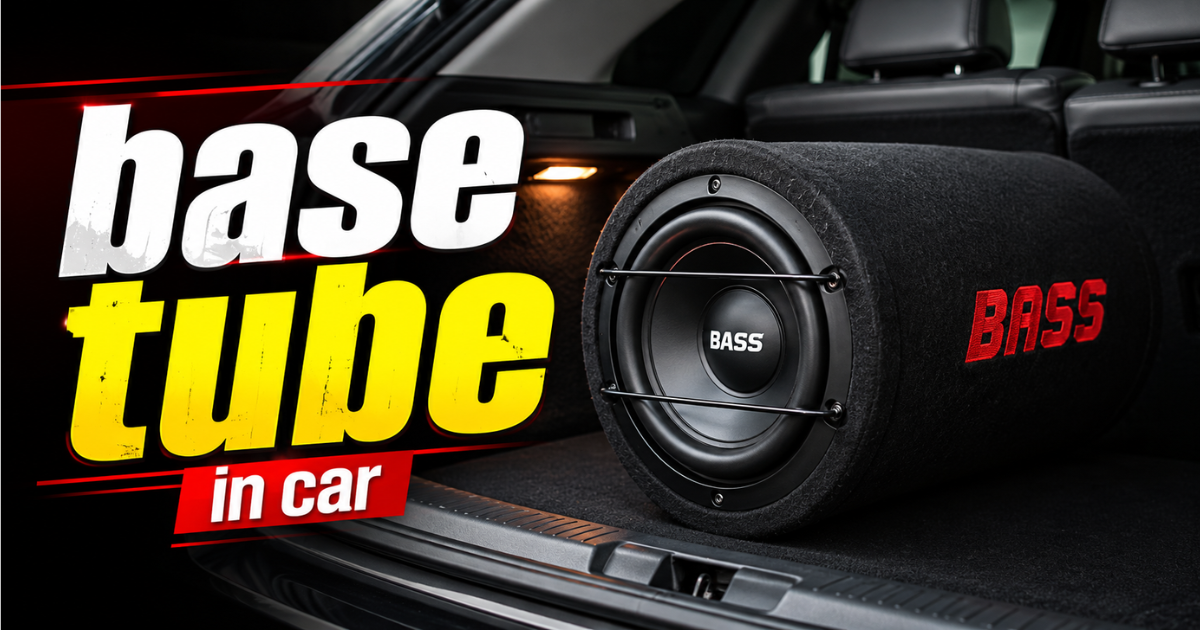
My first real taste of a bass tube happened during long road trips, when the standard car speakers in my old hatchback could not handle deep bass anymore. Every genre sounded flat, whether it was EDM, hip-hop, rock, or Bolly wood music, and I wanted something more immersive.
That search dropped me straight into the classic tube-versus-subwoofer debate, and I quickly learned that opinions differ a lot depending on who you ask. Some drivers swear by old-school subwoofers in wooden boxes, cranking their favorite songs until the whole car shakes with thumping bass.
Others prefer a Sub paired with a separate amp for raw power and richer low-frequency sound, arguing it beats anything with built-in amplifiers. Price, audio quality, and simple easy installation usually decide the winner, since a full setup can cost more than compact active or passive models.
For my daily commuting, I now lean toward under-seat models because they save space and still deliver strong audio output. These small factors, including low-frequency sounds and deeper bass, decide whether your in-car music experience feels like true paradise.
What Is a Car Bass Tube?
A car bass tube is basically a subwoofer enclosure built to reproduce deep bass frequencies and low-frequency sounds that normal speakers cannot handle on their own. Picture a compact, cylindrical shape, often wrapped in a compact housing, sitting quietly in the car boot.
It works hard to push out deep punchy bass without stealing the show from vocals, since most regular speakers focus on mid-range sounds. This extra unit fills the gap and creates a fuller bass experience for every track you play.
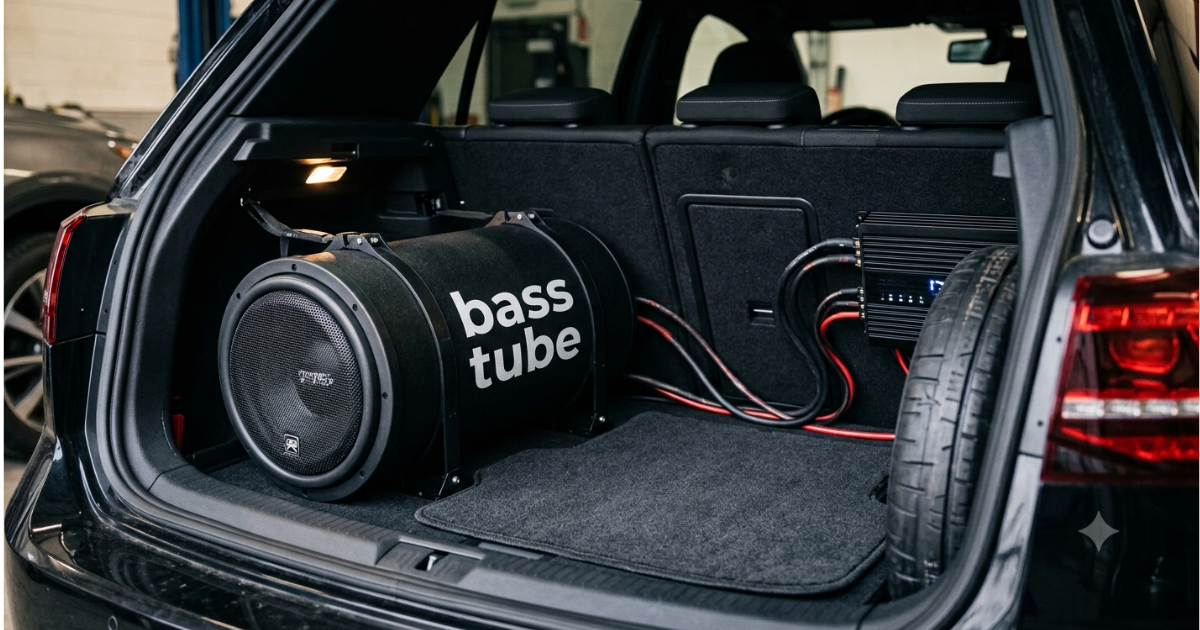
Depending on the model, you can fit one in the car’s boot or tuck a slimmer version under the seat. Both placements help you save space in tight cabins, which matters when luggage room is limited.
Many drivers pick compact versions because they need available space for luggage, yet still crave a balanced listening experience with real punch. Whether it sits beside your car speakers or hides near the front seats, the goal stays the same: powerful low-end audio through easy installation.
Types of Car Bass Tubes
When it comes to installation, most shoppers pick between two main styles, and each one changes the wiring job completely. An active model already carries its own built-in amplifier, which means no external amplifier is needed at all.
This gives you simple installation and compact design without stringing extra cables or extra power draw. This style suits factory-fitted stereos and factory-installed stereos nicely, since it slots into compatible connections with lower wiring complexity.
A passive unit, on the other hand, needs a separate amplifier to run properly, but that extra step brings higher customization. It also delivers better performance for advanced audio systems, rewarding anyone chasing powerful sound setups worth the effort of a clean installation.
Then there is the under-seat subwoofer, a favorite of mine for small cars with limited boot space. These slim bass units slide under the front seat, deliver a balanced bass output, and work beautifully in hatchbacks and compact sedans.
Benefits of Installing a Bass Tube
The biggest win from any such upgrade is improved audio clarity, because once the main speakers stop straining for deep bass, they sound cleaner. Cleaner vocals and clearer vocals come through without any strain, and I noticed improved sound quality almost immediately.
Tracks with heavy EDM or fast hip-hop beats suddenly felt fuller and far more immersive after the upgrade. This kind of enhanced bass also creates a genuinely better music experience, whether you are cruising down highways or crawling through city roads.
For anyone tight on boot space, space-saving options like compact under-seat models and slim under-seat subwoofers offer space-efficient designs. Drivers of compact vehicles especially notice how much powerful low-frequency sound these small bass tubes manage to squeeze from such a tiny footprint.
The result is a better driving experience where low frequencies hit hard and higher frequencies stay sharp throughout every track. Every rock anthem or quiet music session turns into a premium in-car entertainment experience worth talking about with fellow drivers.
Installation Tips
Good professional installation starts with matching your new unit to the car stereo and confirming real compatibility before any wires get cut. I always double-check the vehicle’s available installation space, whether that means boot space or a tighter under-seat space.
Stick with high-quality wiring kits, secure every electrical connection point, and avoid rushing the proper wiring stage no matter how tempting shortcuts feel. Guessing here causes headaches later, so patience during this stage always pays off in the long run.
Dial in the bass settings to match your music preferences, and keep safety in mind around any existing stereo wiring. Hand tricky or wiring-intensive setups to a trained technician rather than guessing your way through it alone.
Popular Bass Tube Options
From my own shopping trips, the 12-inch active model with an in-built amplifier stands out for raw powerful bass. The 8-inch option suits compact cars needing limited installation space or limited space in general around the cabin.
A wide frequency response that stays clean at higher volumes separates a good unit from a forgettable one. Extras like adjustable bass settings, an adjustable equalizer panel, remote bass control, high sound clarity, and a durable enclosure round out the package.
Genuine high-performance subwoofer design separates the good units from the rest, so I always recommend comparing selected models side by side before deciding.
Factors to Consider Before Buying
Set a realistic budget first, and then think about your vehicle size, your music preferences, and how much power your existing audio system can support. Your existing audio setup should guide the rest of the decision, since mismatched gear rarely performs well together.
Check the available installation space honestly, weigh the ease of installation, and never skip reading the warranty terms. A good warranty coverage plan saves real money down the road if anything goes wrong with the unit.
Maintenance Tips
Keeping a bass tube healthy is simple: avoid maximum volume for extended periods or long periods, since constant strain leads to distortion. Wipe the enclosure dry and clean regularly, and check every wiring connection point periodically so nothing works loose.
Never let heavy objects press against the subwoofer, and if you ever notice vibration or unusual vibrations, act fast. Get the audio system inspected right away instead of blaming excessive volume as the only possible culprit.
Subwoofer or Bass Tube? Key Differences Explained
Technically speaking, a regular subwoofer is just an audio speaker built to turn low-frequency audio signals into deep powerful thumping bass. A bass tube takes that same subwoofer and mounts it inside a cylindrical tube facing outward toward the cabin.
That tube is precision engineered to capture and amplify the sound waves that escape from the backside of the driver. Instead of letting that energy go to waste, the tube design puts it right back into the music.
If uncompromised, thumping bass matters more to you than a few extra bucks, a standalone unit is usually the better bet. Though it demands a separate car amplifier and careful connections, the payoff in raw output is real.
Bass tubes, with their integrated amplifiers, offer a more reasonable and immersive bass output while taking up less space than a bulky subwoofer box. This makes easier install jobs the norm rather than the exception for most everyday drivers.
Audio Quality
Because box-shaped enclosures built as enclosed subwoofers are naturally better at capturing the airways needed for clean low end, they deliver more precise overall sound. A bass tube still produces a tighter bass output that is more than powerful enough to fill a small car cabin.
Whether a setup feels genuinely effective depends on the room you are working with in the cabin. For everyday bass, both styles hold their own surprisingly well on a normal daily commute.
Affordability
On pure affordability, bass tubes win almost every time, since they arrive prefabricated and ready to install straight out of the box. That convenience keeps them less expensive than a full subwoofers setup in nearly every comparison.
A full subwoofer setup usually needs a separate car amp plus amplifier wiring kits on top of the base pricing. For anyone chasing an affordable choice without sacrificing decent output, this category is hard to beat.
Integrated Amplifier
Passive subwoofers always need separate amplifier power, which is exactly why most bass tubes ship with a built-in amplifier already wired in. That built-in setup gives you an easier install without hunting for extra parts.
That said, these integrated mono-amps rarely match the raw power of dedicated separate car amps built to properly drive a full-size sub. So while a car setup benefits from the convenience, chasing anything genuinely high-powered still means stepping up to a separate amplifier stage.
Accessibility
From a pure convenience standpoint, bass tubes win again, since their small size lets them slide into a trunk without eating up valuable space.
Regular subwoofers used in bulky car audio systems need a far more intricate wired connection. That single difference in convenience is often the deciding factor for anyone short on room.
How to Decide Between a Bass Tube and a Subwoofer
If better bass reproduction, louder audio output, and truly uncompromised low-pitch audio are non-negotiable, a dedicated subwoofer remains the smarter pick. It noticeably lifts overall performance and stays more accurate across every track you throw at it.
Just know you may lose real trunk space and need enough room in your cargo compartment, since these units tend to be large and cumbersome. Bass tubes, meanwhile, rarely match that level of refined bass precision at extreme volumes.
Their sound quality can feel like it degrades under heavy strain, though they remain a genuinely affordable and value-for-money choice. They offer reasonable bass and clear audio output for typical car audio needs on a daily basis.
In the end, both routes deliver excellent bass output, and the right call depends entirely on your budget and your own particular preferences.
Conclusion
After years of testing different setups, I firmly believe a solid audio setup built around a good bass tube ranks among the most effective upgrades for any car. Choosing between a compact under-seat subwoofer and a full active model should always match your listening preferences and your budget.
The right model delivers deeper bass, clear sound, and clearer sound, giving you the best performance your vehicle’s audio system can offer.
This excellent investment rewards you with powerful bass and a genuinely enjoyable driving experience every time you start the car. Every simple upgrade like this one turns an ordinary commute into something worth bragging about to friends.
FAQs
Will a Bass Tube Fit in Any Vehicle?
Most cars can handle this kind of upgrade without major issues, but confirm available space and real stereo compatibility before purchasing anything. Checking compatibility with your existing stereo system first will save you a return trip later.
Do I need an amplifier?
Not always, since active bass tubes already carry a built-in amplifier wired straight in. Passive models, though, still need an external amplifier, so check which type you are actually holding before assuming anything.
Where a bass tube should be installed?
Traditional bass tubes usually sit in the boot, while slim, compact models are built for neat under-seat installation near the front seat. The right spot depends on how much cargo room you can realistically spare.
Is professional installation recommended?
Yes, and I say this from experience: professional installation guarantees safe wiring, proper tuning, and genuinely optimal sound performance. A rushed weekend job rarely matches what a trained technician can deliver.
How long does a bass tube usually last?
With regular maintenance and sensible volume habits, a good unit can easily last several years without any real drop in performance. Avoiding excessive volume and checking wiring connections periodically both go a long way toward extending its lifespan.