
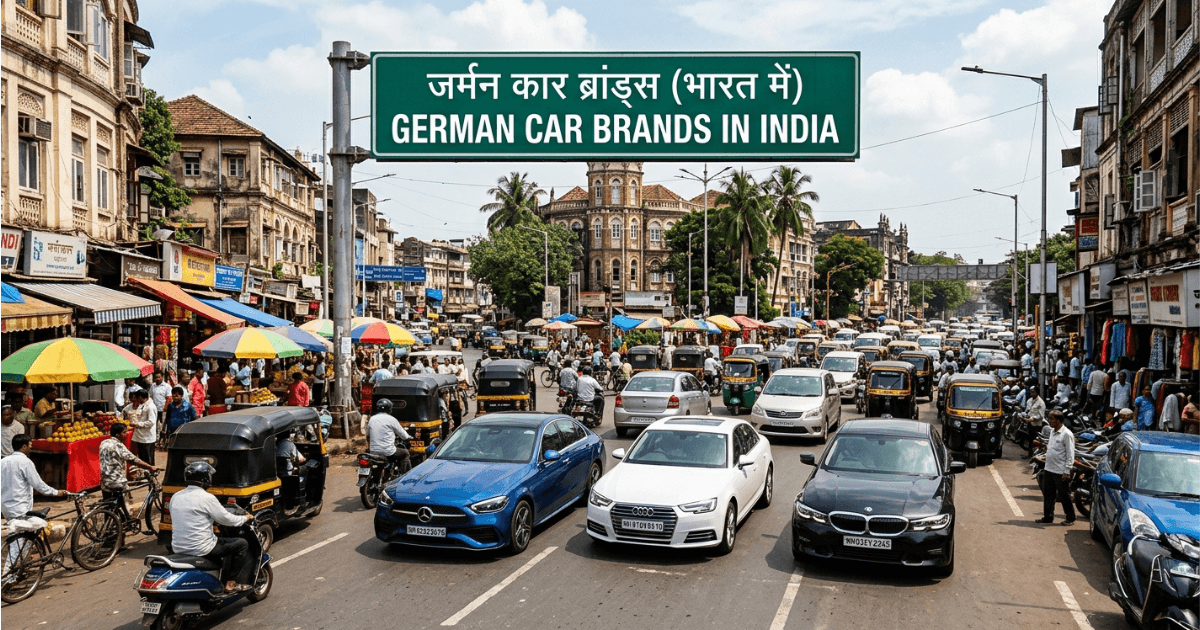
When people think about German car brands, they picture strong engineering, careful design, and real performance. Germany sits at the heart of the global automobile industry, and its domestic manufacturers shape the German market and wider Europe. Volkswagen is the market leader, known for refined design. Mercedes-Benz, BMW, Skoda, Audi, and Seat all sit among the best-selling car brands in the country, and Porsche brings specialized performance and tuning into the mix.
These historic automotive brands sit in a full German car brands directory, listing more than 35 German marques, from major manufacturers to a specialist commercial name. Each of these German manufacturers carries a strong reputation for luxury and technology, across premium sedans, sporty SUVs, and practical family cars.
Every brand has its own personality, and knowing these aspects of the driving experience helps drivers choose the right vehicle. The automotive market also faces competition from Chinese brands, which posted significant growth in 2025, when German car brands recorded 2,857,591 passenger vehicle registrations, a 1.4% increase on the previous year.
Mercedes-Benz
Mercedes-Benz stands for luxury, comfort, and advanced technology across its executive sedans. The AMG line adds performance models with a smooth driving experience, while premium interior materials and refined cabins feel genuinely sophisticated.
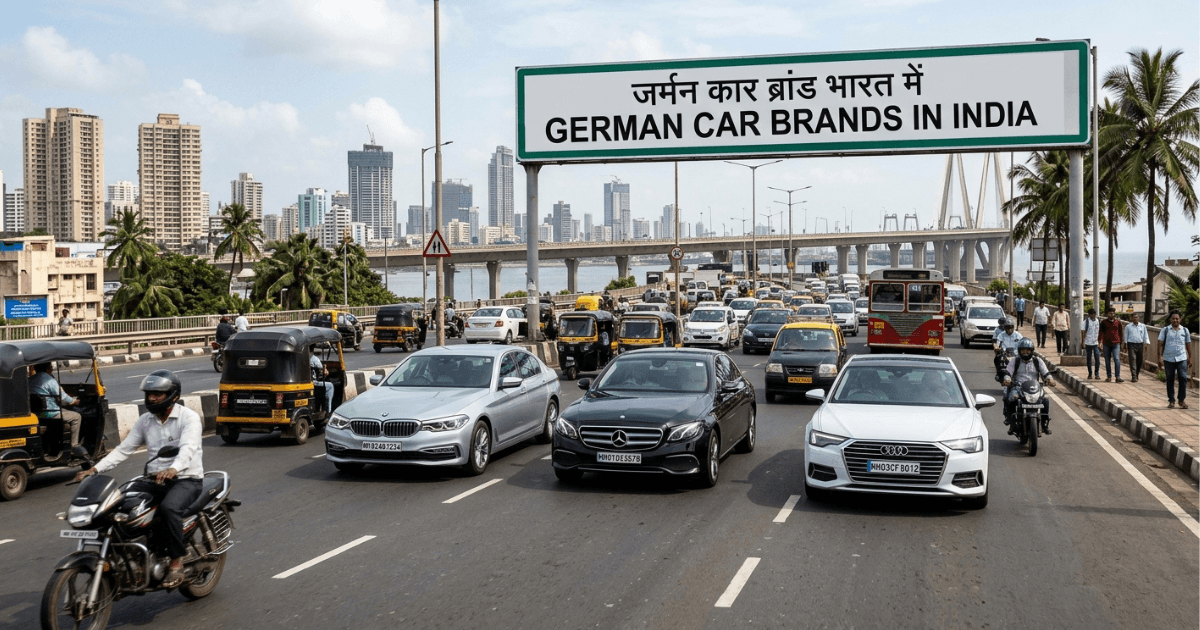
Advanced safety technology pairs with luxury sedans, SUVs, and high-performance AMG models to build strong brand recognition. In 2025, Mercedes-Benz finished second with 260,415 registrations, up 1.0%, holding a solid share of the premium vehicle segment through compact cars, performance vehicles, and electric models.
Founded in 1926, this major German luxury vehicle manufacturer keeps its brand reputation among German buyers by combining luxury, comfort, technology, and performance in every passenger car.
BMW
BMW is famous for sporty handling and driver-focused engineering, giving an engaging driving experience across sedans, coupes, SUVs, and electric vehicles. Its high-performance M models bring responsive steering, powerful engines, and balanced chassis performance.
Premium interiors and advanced infotainment systems round out the range. In 2025, BMW placed third with 253,712 registrations, an 8.9% increase, sitting close behind Mercedes-Benz among the premium German brands.
Founded in 1916, BMW has grown into a premium automotive brand known for luxury vehicles with real sporty driving characteristics and consistent driving performance.
Audi
Audi stands for modern styling, premium comfort, and technology. Its quattro all-wheel-drive system gives strong traction in tough driving conditions, matched with digital technology and advanced infotainment.
Audi finished fifth in 2025 with 205,862 registrations, up 1.8%, just behind BMW in the premium segment. Its modern styling and comfortable interiors stretch across compact cars, luxury sedans, SUVs, and electric vehicles. Founded in 1909, Audi keeps its premium interiors rooted in Auto Union heritage, shown through its four-ring emblem.
Porsche
Porsche is built around pure sports-car performance, though it also builds practical SUVs. The Porsche 911 remains one of the most recognizable sports cars in the world, backed by real motorsport heritage.
Precise handling and powerful engines sit inside premium interiors, and even the performance-oriented SUVs keep the same driving excitement and exclusivity. Founded in 1931, Porsche now applies that same performance-oriented engineering to modern electric vehicles.
Volkswagen
Volkswagen takes a practical approach rather than chasing luxury-focused brands, building hatchbacks, sedans, and SUVs for everyday use. Its practical vehicle designs offer comfortable driving without extra cost. German engineering and broad model choices made Volkswagen the best-selling car brand in 2025, with 560,796 vehicles sold, a market share of 19.6%, and sales up 4.5%.
The Volkswagen Golf remains the best-selling individual car model, living up to its old nickname, the “people’s car.” Founded in 1937, Volkswagen dominates the mass-market segment with cars and SUVs for everyday drivers.
Why Are German Car Brands So Popular?
The popularity of German car brands comes down to clear factors: decades of engineering and performance, precise handling, and strong driving dynamics. BMW leans into handling, Porsche leans into raw performance, and Mercedes-Benz with Audi lean into luxury and comfort.
Premium interior quality shows up in cabins built from quality materials, with modern displays and comfortable seats. Advanced driver-assistance systems, sophisticated infotainment, all-wheel-drive systems, and new electrified powertrains all add to the appeal.
This strong brand heritage ties everything together. Mercedes-Benz, BMW, Audi, Porsche, and Volkswagen carry recognizable identities that keep the global automotive market watching their badges.
German Cars vs Japanese Cars
German manufacturers and Japanese manufacturers chase different priorities. Japanese brands focus on reliability, practicality, and lower ownership costs, while German car brands focus on luxury, driving performance, and premium design.
The better option depends on the buyer that someone chasing low running costs and long-term practicality may prefer a Japanese vehicle, while someone chasing premium interiors and advanced features will lean German.
German Cars vs Chinese Cars
Chinese automotive brands have become genuinely competitive, especially in electric vehicles, offering technology-focused models at competitive pricing from ambitious Chinese manufacturers.
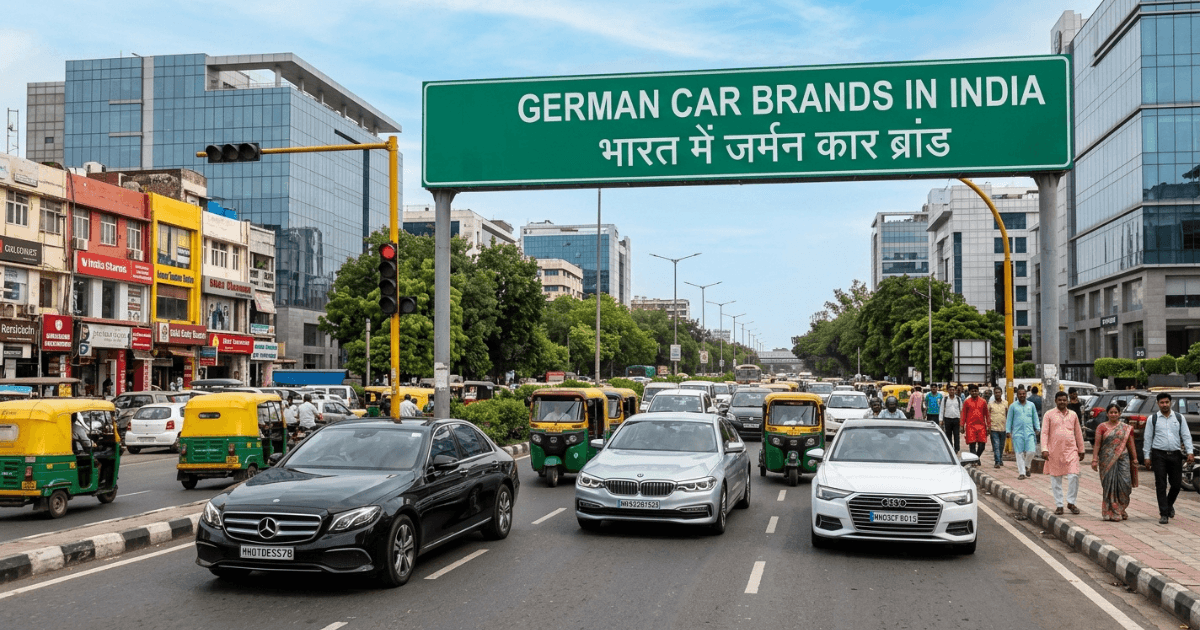
Even so, the engineering heritage behind established luxury brands still matters for performance and driving characteristics. As the automotive industry shifts, buyers simply get more choices, and that rising competition puts real pressure on established German car brands.
Are German Cars Expensive to Maintain?
German vehicles can cost more to maintain than mainstream cars, mostly because premium vehicles rely on sophisticated technology and specialized components. These complex systems need specific parts and skilled labor.
Costs vary by model, location, brands, and model years, since not every service provider works the same way. Regular servicing and genuine replacement parts protect long-term reliability.
Which German Car Brand Is Best?
There is no single best German car brand, since the right pick among all German car brands depends on what a driver wants. Mercedes-Benz offers luxury and comfort, BMW offers sporty handling, and Audi brings technology with modern styling.
Porsche appeals to enthusiasts who want motorsport-inspired engineering, while Volkswagen stays the practical choice for everyday driving, giving accessible German engineering at a lower price.
Seat
Seat recorded 162,566 registrations, up 6.7%. This Spanish brand, also under the Volkswagen Group, mixes sporty styling with practical vehicles, landing in sixth position.
Opel
Opel slipped to seventh with 136,189 registrations, declined by 7.9%. This mainstream brand still competes through compact cars, SUVs, and electric models against Ford. Dating to 1862, Opel is one of the oldest automotive names, holding its place in the mass-market segment thanks to its long history.
Ford
Ford posted 108,299 registrations, with sales increased 8.8%. Backed by long history in the German automotive market, it stays among the top ten car brands.
Hyundai
Hyundai saw 93,839 registrations, down 2.6%. This South Korean manufacturer offers small cars, SUVs, hybrid vehicles, and electric cars among Germany’s international manufacturers.
Toyota
Toyota closed the top ten with 87,578 registrations, declined 8.3%. Its hybrid technology keeps a strong reputation for reliability across hatchbacks, sedans, and SUVs.
Chinese Car Brands Are Growing in Germany
Interesting developments are showing up as Chinese automotive brands rise fast. BYD posted 23,306 registrations, up 706.2%, MG Roewe grew 26.2%, and Leapmotor grew 4,000%, though from a relatively small base. Chinese manufacturers are becoming far more visible across the German automotive market, adding new competition next to established German car brands.
BMW Comes Close to Mercedes-Benz
Among the most notable developments, the two premium manufacturers nearly swapped places. BMW’s 253,712 registrations closed in on Mercedes-Benz’s 260,415, leaving a relatively small gap. BMW’s 8.9% growth far outpaced Mercedes-Benz’s 1.0% increase, showing tight competition between these two brands.
Why Volkswagen Remains Germany’s Number One Brand
Volkswagen’s market leadership rests on a broad model range and strong domestic presence across affordable compact cars, SUVs, and electric vehicles. Its long-established reputation gives it a clear advantage at home.
In 2025, market share reached 19.6%, up from 19.1% in 2024.
What the 2025 German Car Market Tells Us
The 2025 results reveal important trends for German manufacturers in their home market. Volkswagen, Mercedes-Benz, BMW, and Audi stay the leading brands, while Skoda stands out as the non-German European brand in fourth place.
The rapid growth of Chinese brands, including BYD, MG, and Leapmotor, shows clear year-on-year gains and rising competition for German car brands.
Small Specialists and Historic Names
ABT, dating to 1896, is one of the oldest names tied to Volkswagen Group vehicles and motorsport. Gumpert, founded in 2004, built performance-focused vehicles until 2013. Borgward, from 1919, remains a historic German car marque.
9ff, founded in 2001, focuses on specialized tuning. Carlsson, from 1989, specializes in Mercedes-Benz-based modifications. Wartburg operated from 1955 to 1991 in East Germany. Apollo, from 2004, builds a genuine hypercar.
Bitter, founded in 1971, and Artega, from 2006, are both smaller specialist automotive manufacturers. Setra, from 1951, builds buses and coaches. Melkus, from 1959, and Wiesmann, from 1988, remain historic specialist manufacturers. Horch, from 1904, was one of the founding names behind Auto Union, which combined four companies in 1932: DKW, Horch, and Wanderer, later becoming Audi.
Final Thoughts
Across the best-selling car brands list for 2025, Volkswagen, Mercedes-Benz, BMW, Skoda, Audi, Seat, Opel, Ford, Hyundai, and Toyota made up the top ten, while BYD and Leap motor posted significant gains. The automotive market stays genuinely competitive, with electric vehicles and new technologies pushing every German car brand forward.
FAQs
Which German car brands sell the most in Germany?
Volkswagen leads, followed by Mercedes-Benz, BMW, Skoda, and Audi. Together these German car brands made up most of the top ten best-selling car brands in 2025.
Are German car brands reliable in the long run?
Most German car brands offer strong engineering and performance, though maintenance costs can run higher than Japanese or Korean rivals because of sophisticated technology and specialized components.
What makes German car brands different from Japanese or Chinese brands?
German car brands focus on luxury, driving performance, and premium design, while Japanese brands focus on reliability and lower ownership costs, and Chinese brands compete hard on technology and competitive pricing.
Which German car brand is best for everyday driving?
Volkswagen is usually the practical choice for everyday driving, offering accessible German engineering, while Mercedes-Benz, BMW, and Audi suit buyers who want luxury and premium comfort.
Are German car brands expensive to maintain?
Yes, German vehicles typically cost more to maintain than mainstream cars, mainly due to complex systems, specialized parts, and skilled labor, though costs vary by model, location, and service provider.