

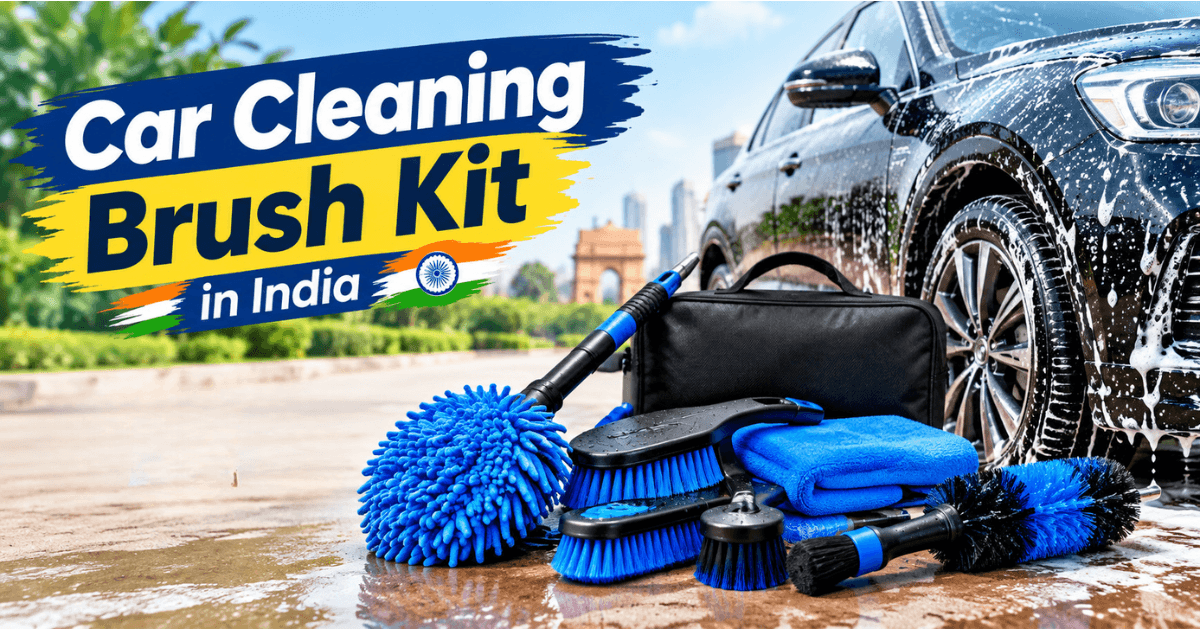
I have been detailing cars in my own driveway for years, and one lesson never changes: the right car cleaning brush kit saves time and protects your car from damage. This piece looks at the same topic through the eyes of someone who has actually scrubbed tyres in the sun and wiped dashboards at midnight before a road trip.
When I first built my own car cleaning brush kit, I did not realise how many brush products exist for one vehicle. My shelf now holds separate cleaning accessories for dashboards, a microfiber cloth for glass, and dedicated tools for wheel cleaning, tyres, and seats.
Some kits, like the All-in-One Car Cleaning Kit, are built for both interior and exterior use, bundling dirt removal and road grime control into one product listing. Brands such as Car Cosmic and Gear Guard even sell a decent car cleaning brush kit priced around ₹499.
A proper car cleaning brush kit clears stains, grease, and everyday grime from car interiors, while stronger brushes and small detailing brushes tackle fenders and wheels without scratching delicate surfaces. An AC vent brush handles small spaces that trap food particles and fingerprints.
Good interior cleaning depends on knowing your vehicle’s needs before you start. A tidy car cleaning brush kit does not need scattered tools everywhere; a small set of soft brushes and one good cloth covers most everyday car care needs.
Why Use a Car Cleaning Brush?
Every car hides small pockets of dust that a cloth cannot reach. I learned this the hard way after wiping my dashboard for months while grime kept building up around the corners and wheel areas. A brush lets you remove dirt from hard-to-reach spots, clean door panels, and pull dust out of narrow spaces without damaging the surface. This is exactly where a good car cleaning brush kit earns its keep.
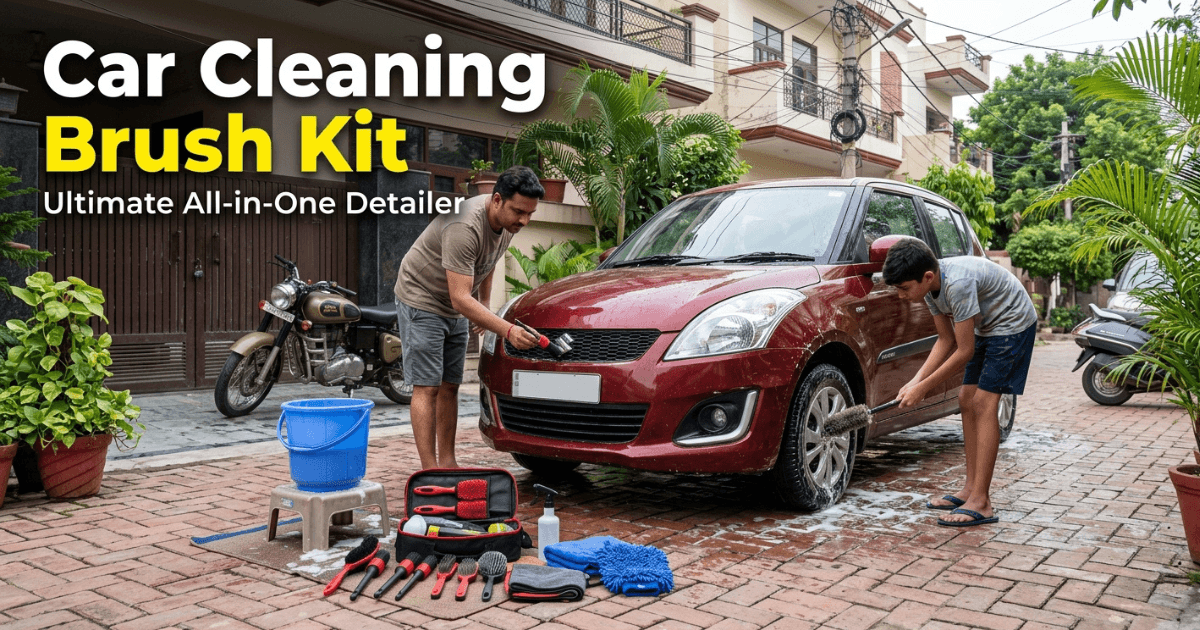
Compared to a sponge used alone, a brush reaches narrow areas faster and loosens stubborn dirt before it gets rinsed away. Detailed cleaning simply works better once you switch from cloth alone to brush-based tools.
Beyond scrubbing, a proper brush improves the overall look of the vehicle. Choosing the right brush protects exterior surfaces, avoids scratches, and lets you clean corners and gaps without spreading grime from one part to another.
Types of Car Cleaning Brushes
Once I understood that different brushes exist for different jobs, my whole routine changed. A complete car cleaning brush kit should include several types, each aimed at a specific surface, because no single tool suits every part of the car.
Soft Interior Cleaning Brush — This is my go-to for anything inside the car that feels breakable. It works beautifully on dashboards, buttons, and air vents, and slides easily along door panels without scratching the surface underneath.
Soft bristles lift dust gently instead of grinding it in. Because no excessive pressure is involved, these brushes suit delicate areas and become the backbone of regular interior cleaning.
Multipurpose Cleaning Brush — I keep one in the glovebox for days I do not want to carry five tools. Depending on the bristle type, it moves from interior surfaces to exterior trims without much fuss, making it a practical single-tool choice.
Tyre and Wheel Brush — Road dirt, mud, and brake dust build up on tyres constantly, which is exactly why a dedicated brush exists to reach these tougher areas. Pairing it with a proper wheel cleaner, used as directed, gives the best results.
Detailing Brush — For fiddly spots, this brush earns its place in every car cleaning brush kit. It works into dashboard gaps, door handles, badges, and small interior corners that larger tools simply miss.
Drill Brush — A drill brush attachment handles deeper cleaning and lifts stubborn dirt far quicker than manual scrubbing. That extra power comes with a warning: excessive force can easily damage sensitive surfaces if you get careless.
Car Detailing Swabs — These are the smallest tools in my box and often the most useful. They slide into narrow gaps and reach corners that even the largest brushes cannot enter.
How to Choose the Right Car Cleaning Brush
Choosing the right brush starts with honestly looking at the area you plan to clean, not just grabbing whatever is closest. Delicate surfaces need soft bristles, while heavy dirt on tyres needs something firmer.
Size matters just as much. Small brushes suit vents and gaps, while larger brushes cover wider surfaces faster, and a long handle genuinely helps you reach deeper areas around wheels and fenders.
Think about how many tools you actually need. Having separate, dedicated brushes for interiors, upholstery, and wheels stops grime from spreading between different parts of the vehicle — one single brush almost never fits every job.
How to Use a Car Cleaning Brush Properly
Technique matters more than force. I always start by removing loose dust, then move with controlled, gentle strokes through corners and narrow areas rather than pressing hard.
For tougher spots like wheel wells, I apply a suitable cleaning product, let it sit, then scrub gently before rinsing. This loosens dirt particles far more safely than aggressive scrubbing ever could.
Once done, I wipe the surface with a microfiber cloth and clean the brush itself afterwards. Skipping the step of removing loose dirt first, before adding liquid cleaner, is a mistake I made early on and never repeat.
Car Interior Cleaning with a Brush
A neat car interior starts with a quick vacuum to lift loose crumbs, followed by a soft detailing brush worked gently around cup holders, seams, and the centre console.
Different materials need different treatment. Leather, fabric, plastic, and vinyl each call for their own cleaner, so I always pick a brush specifically designed for that surface before touching stubborn stains.
Controls and buttons deserve extra caution. I never soak electrical areas with too much liquid, and I always finish with a dry microfiber cloth across the dashboard and vents.
Cleaning Tyres and Wheels
Tyres and wheels take the hardest hits on any car since they sit closest to the road. They need more aggressive cleaning than almost any interior surface, which is why a dedicated brush from your car cleaning brush kit should never touch the cabin.
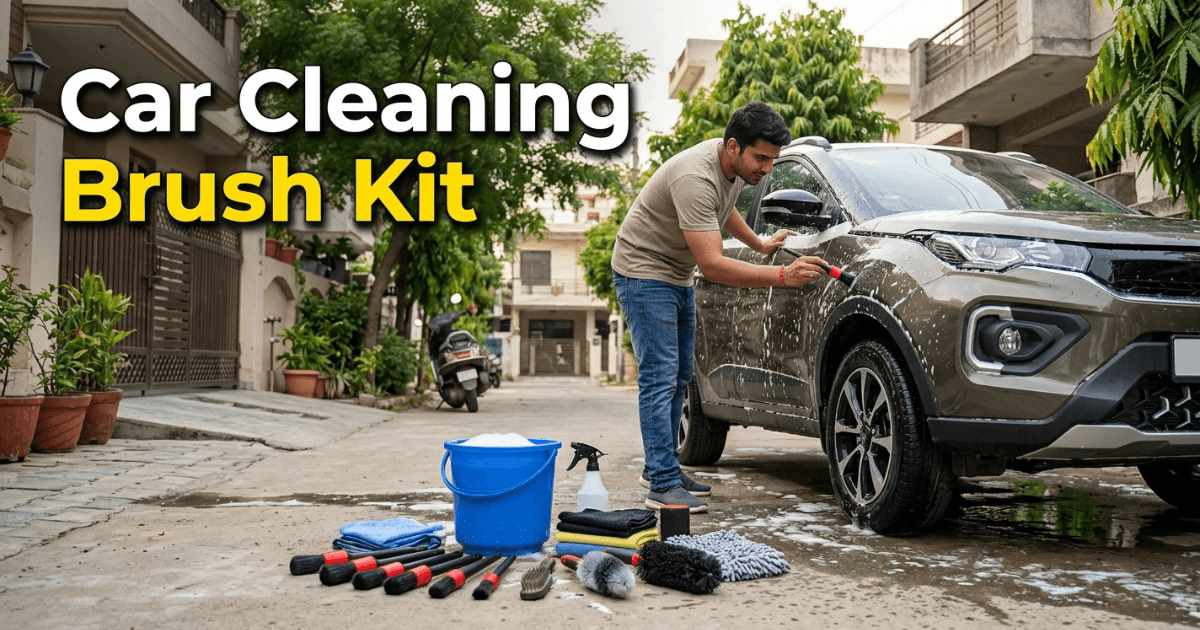
My routine is simple: rinse away loose dirt, apply a suitable wheel cleaner, let it work, then scrub carefully to lift trapped grime near the rim. After that, I rinse thoroughly and clean the brush before storing it. Keeping separate brushes for different parts of the vehicle protects hygiene and stops dirt transfer between surfaces.
How to Maintain Your Cleaning Brushes
Brushes wear out faster than people expect, and I only realized this after leaving one wet in a bucket for a week. Proper care genuinely extends the life of every tool in your car cleaning brush kit.
After cleaning the car, I always rinse each brush thoroughly to clear out chemicals and trapped dirt, then let it dry completely before putting it away. Storing matters just as much as washing. I keep brushes organized by purpose, store them in a dry place, and replace any brush the moment its bristles start falling out.
Common Mistakes to Avoid
I have made almost every mistake on this list at least once. Using a hard brush on delicate surfaces, or reaching for the same brush on both interior and tyres, causes far more problems than people realize.
Pressing too hard is another common trap. Excessive pressure scratches dashboards and screens quickly, so gentle, controlled movements always work better on sensitive materials.
Skipping prep steps causes trouble too. Removing loose dirt before you scrub, and never storing brushes wet, keeps every tool in your car cleaning brush kit working properly for longer.
Car Cleaning Kits: What They Include and Why They Help
A car cleaning kit simply gathers several tools instead of making you buy items separately. A typical car cleaning brush kit might include microfiber cloths, dusters, detailing brushes, and an AC vent cleaner in one package.
The Gear Guard product, for example, lists an AC vent brush, a microfiber cloth, and a detailing brush as an all-in-one solution for both interior and exterior care, priced at roughly ₹499.
The AC vent brush reaches into narrow slats where air continuously passes, clearing dust before it spreads. The cloth handles wiping dashboards and removing fingerprints, while the detailing brush manages console sections and door panels.
A complete kit genuinely saves effort. Instead of hunting for different products every weekend, you get several tools together, turning routine maintenance into something far more convenient.
How to Clean Your Car Using a Cleaning Kit
I follow the same steps every time because skipping any of them always leads to double work later. First, I remove loose items like bottles and wrappers from the cabin before touching anything else.
Next comes dust. I use a duster on the dashboard and console, then move to the vent slats carefully, avoiding any damage to the components underneath. After that, I wipe every surface with a clean microfiber cloth, folding it into fresh sections as I move around. Small areas like buttons and seams get their own gentle pass with a detailing brush.
For the exterior, I always rinse loose dirt first before using proper car-washing products. I never use an interior brush from my car cleaning brush kit on heavily soiled exterior panels.
Why Microfiber Cloths Matter
I never travel without a stack of these in the boot. Microfiber cloths pick up dust and moisture far better than an old rag, especially when kept clean between uses.
They handle drying, wiping dashboards, removing fingerprints, and applying certain care products. I always keep separate cloths for separate jobs, since one used on dirty wheels should never touch the dashboard later.
Tips for Better Car Cleaning
A few habits changed my whole routine for the better. I always start with the least dirty areas first, use separate tools for interior and exterior work, and clean brushes right after every session.
I also wash microfiber cloths properly and avoid scrubbing a dusty surface aggressively. Keeping every part of your car cleaning brush kit dry and organised means it is always ready the next time the car needs attention.
Is a Car Cleaning Brush Kit Worth Buying?
Whether a complete car cleaning brush kit is worth buying depends on the tools you already own. A bundled option like the Gear Guard kit offers basic tools for both interior and exterior work at an affordable price point.
For many people, it is simply a practical way to save effort compared with buying individual brushes and cloths separately. Whether it suits you comes down to your own cleaning needs and how complete your current toolkit already is.
Final Thoughts
Looking back, a good car cleaning brush kit rewards patience more than raw power. Gentle pressure and the right tool for each job make cleaning tyres, wheels, and fenders genuinely easier and faster.
Select brushes based on size, bristle type, and the surface you are cleaning, and always avoid excessive pressure. This alone keeps your routine simple and turns everyday maintenance into something closer to professional detailing.
In the end, the goal is a car that looks properly cared for, inside and out. A well-built car cleaning brush kit, paired with good habits, keeps that result easy to repeat every single weekend.
FAQs
What should a good car cleaning brush kit include?
A solid car cleaning brush kit usually includes a soft interior brush, a tyre and wheel brush, a small detailing brush, an AC vent brush, and a microfiber cloth. Together these cover most interior and exterior cleaning needs without requiring extra tools.
Can I use the same brush for tyres and the car interior?
No, it is best to avoid this. Using the same brush from your car cleaning brush kit on both tyres and interior surfaces can transfer road grime and dirt onto delicate materials like dashboards and seats.
How often should I clean the brushes in my car cleaning brush kit?
Ideally, rinse and dry each brush after every cleaning session. Regular care keeps a car cleaning brush kit performing well and prevents trapped dirt or cleaning chemicals from damaging the bristles over time.
Is a car cleaning brush kit better than using just a cloth?
Yes, in most cases. A cloth alone struggles with narrow gaps, vents, and textured surfaces, while a proper car cleaning brush kit reaches these areas easily and lifts stubborn dirt that a cloth simply pushes around.
How do I choose the right brush size for my car cleaning brush kit?
Match the brush to the area. Small brushes suit vents, buttons, and gaps, while larger, long-handled brushes work better for wheels, fenders, and wide exterior panels within a complete car cleaning brush kit.