

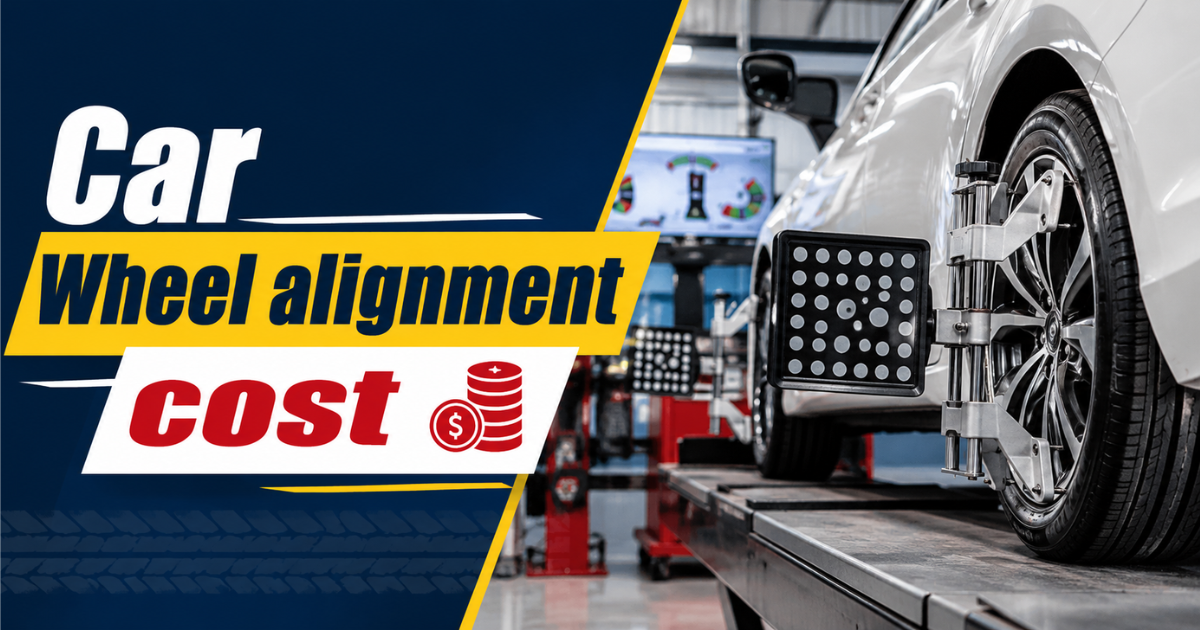
Every car owner in India wants to know the car wheel alignment cost before booking a service center visit. In 2026, understanding this car wheel alignment cost helps you plan regular maintenance without any surprise expensive repairs.
Owning a car means dealing with maintenance tasks like car wheel alignment, which protects tyre life and overall safety. Whether you drive hatchbacks, sedans, or SUVs, keeping your wheels aligned is an essential maintenance service.
Ignoring wheel alignment leads to unsafe driving conditions and a poor driving experience over time. Properly aligned wheels bring real comfort, sharper handling, and increase fuel efficiency on every trip.
The average wheel alignment cost usually sits between ₹500–₹900 for smaller cars and climbs to ₹900–₹1,500, sometimes touching ₹1,500, for bigger ones. This depends on the type of vehicle and the bran specific equipment used at authorized service centers or multi brand garages.
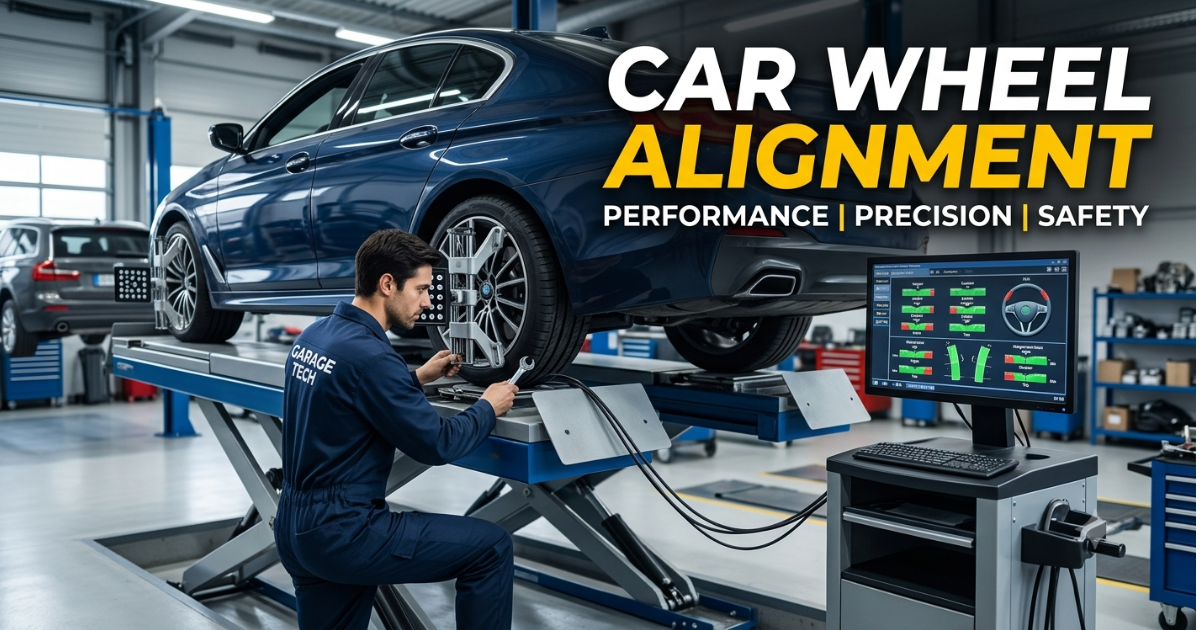
Most workshops charge around ₹500 to ₹700–₹1,100 for labor and checking suspension components. Paying this small car wheel alignment cost helps extend tyre life, reduce wear, and improve handling for months, keeping the car stable and fuel efficient.
Choosing a trusted maintenance services provider keeps your car in top condition with strong longterm performance. This small investment in regular wheel alignment always costs less than costly repairs later, giving you better driving comfort.
What Is Wheel Alignment?
Wheel alignment is the process of adjusting the angles of your car’s four wheels to match the road correctly. Technicians check camber, caster, and toe angles against the manufacturer’s specifications, keeping the wheels parallel.
When a car is correctly aligned, it drives smoothly and gives full control over the steering. This keeps driving stability steady even on rough patches, and it directly affects the car wheel alignment cost you pay later if neglected.
Properly aligned wheels create optimal contact, or maximum contact, so tyres wear evenly instead of unevenly. Misaligned wheels cause extra friction, raise fuel consumption, and hurt vehicle performance, making the car feel less responsive.
A proper alignment protects healthy tyre wear and keeps vehicle handling sharp for the long run. All four wheels then work together as one connected, balanced system.
Why Wheel Alignment Matters: Signs Your Car Needs One
Knowing the warning signs of a car out of alignment can lower your future car wheel alignment cost. Common symptoms include uneven tyre wear, an offcenter steering wheel, and a steering wheel vibrates feeling on a straight road.
You may notice the vehicle pulls right or vehicle pulls left, or the car simply wanders between lanes. Potholes and rough roads often disturb angles, pushing the steering wheel center out of place.
This causes car pulling to one side and makes the ride feel unstable with poor handling. Ignoring it brings rapid tyre wear, excessive wear, and premature tyre replacement sooner than expected.
It also risks reduced fuel efficiency and minor collisions from a less responsive steering response. Booking a wheel alignment inspection immediately helps prevent further damage and avoids increased maintenance costs.
When Should You Get Wheel Alignment Done?
There is no single fixed interval for every driver, but most experts recommend a check every six months or 10,000 km. Under normal conditions, some prefer once a year as part of routine servicing.
If you drive on damaged roads, poorly maintained roads, or uneven roads, ask your mechanic to check sooner. Rough roads throw off the settings faster, raising your car wheel alignment cost if left unchecked.
Hitting a deep pothole, large pothole, or scraping a curb can knock the geometry out instantly. The same goes for offroad terrain, offroad trails, or after a minor accident or major accident.
Watch for a steering wheel off center feel or a vehicle pulling to one side, which warns of costly tyre damage. Schedule regular inspections after new tyres installed or suspension components replaced, since this protects overall road safety.
Common Causes of Wheel Misalignment
Many everyday situations slowly disturb a car’s vehicle’s alignment without the driver noticing. Hitting large potholes or potholes at high speed, or bumping concrete curbs and parking blocks, adds up fast.
Normal wear and tear on steering components and suspension components plays a role too. Road accidents, small collisions, a hard impact, or frequent offroad driving all push the wheels further out of place.
Treating regular inspections as a preventive measure keeps your car wheel alignment cost lower over time. Catching problems early always costs less than fixing them after they grow bigger.
Small daily habits like careful parking also protect you from a sudden rise in car wheel alignment cost.
Benefits of Regular Wheel Alignment
Staying consistent brings real long term advantages that most drivers underestimate at first. It stretches tyre lifespan and tyre life, prevents uneven wear, and sharpens steering control and steering accuracy.
A well aligned car improves braking performance and lowers rolling resistance on every drive. Better vehicle stability means a safer drive on every trip you take. Fewer repairs help you save money and lower your maintenance costs, supporting road safety for everyone.
Spending a fair car wheel alignment cost now is far cheaper than dealing with tyre and suspension damage later.
Average Car Wheel Alignment Cost by Vehicle Type
The service cost of wheel alignment changes with the size and make of your car. This car wheel alignment cost varies widely across hatchbacks, sedans, SUVs, and premium vehicles.
Small hatchbacks pay the lowest price, around ₹500–₹900, at most local workshops. Regular sedans usually fall in the ₹700–₹1,100 range for the same car wheel alignment cost.
Compact SUVs cost a bit more, typically ₹800–₹1,200, due to their heavier build. Large SUVs and MPVs can reach ₹1,000–₹1,600 because their suspension system needs extra care.
Luxury cars sit at the top of the car wheel alignment cost scale, often between ₹1,500–₹3,500. These models need advanced alignment equipment and a specialized workshop to handle their complex parts.
Wheel Alignment vs. Wheel Balancing
Many car owners confuse wheel alignment with wheel balancing, but a good mechanic knows they are different services. Alignment adjusts wheel angles so the car drives straight and tyres wear evenly.
Balancing corrects the weight distribution of the tyre and rim to stop steering vibrations at higher speeds. Both are recommended services for a smoother driving experience, and doing them together often works best.
Tips to Save Money on Wheel Alignment
Lowering your car wheel alignment cost is easier than most drivers assume. Choose reputable multibrand garages using computerized 3D wheel alignment for greater accuracy and better results.
Always compare prices across a few workshops before booking your service. Ask for a printed alignment report or beforeandafter report showing the exact alignment readings.
Reviewing these readings helps you judge the overall performance improvement clearly. Pair alignment with tyre rotation and balancing as part of your periodic maintenance for the best value.
Bundled moneysaving packages at trusted centers reduce your total car wheel alignment cost over the year. Planning ahead always beats paying for emergency fixes later.
Conclusion: Final Thoughts
Whether you drive a hatchback, a sedan, or an SUV, tracking your car wheel alignment cost matters. It deserves a permanent slot in your regular vehicle maintenance schedule every year.
Every journey on busy Indian roads puts pressure on steering systems and suspension systems. Timely adjustments at a trusted service centre with experienced technicians keep vehicle handling sharp and safe.
Skipping this maintenance task can cause steering problems and expensive suspension components later on. A proper routine servicing schedule brings significant long term benefits, including better fuel economy and longer lifespan.
In the end, this modest investment in car maintenance rewards you with an enjoyable driving experience. Paying a fair car wheel alignment cost now always beats expensive repairs and higher vehicle maintenance costs later.
FAQs
How often should I get my car’s wheels aligned?
Most mechanics suggest an alignment check every six months or after covering roughly 10,000 km. If you frequently drive on broken or uneven roads, it’s wise to get it inspected more often, since rough terrain throws off the angles faster.
What are the warning signs that my wheels are out of alignment?
Watch for the car drifting to one side on a flat road, a steering wheel that isn’t centered even when driving straight, vibration through the wheel, or tyres wearing down unevenly. Any of these point to a misalignment issue.
Is wheel alignment the same as wheel balancing?
No. Alignment corrects the angles at which your wheels meet the road so the vehicle tracks straight, while balancing fixes uneven weight distribution in the tyreandrim assembly to stop vibrations at speed. They solve different problems, though it’s common to get both done in the same visit.
Does the cost of alignment differ based on the type of car I drive?
Yes. Vehicle weight and build play a big role — smaller, lighter cars like hatchbacks generally come with the lowest alignment charges, while heavier vehicles need more work and cost more to service.
What causes a car’s wheels to fall out of alignment?
Everyday wear, hard impacts from potholes or curbs, minor accidents, and regular offroad driving are the usual culprits. Routine checkups can catch these issues early, before they turn into costlier suspension or tyre problems.