

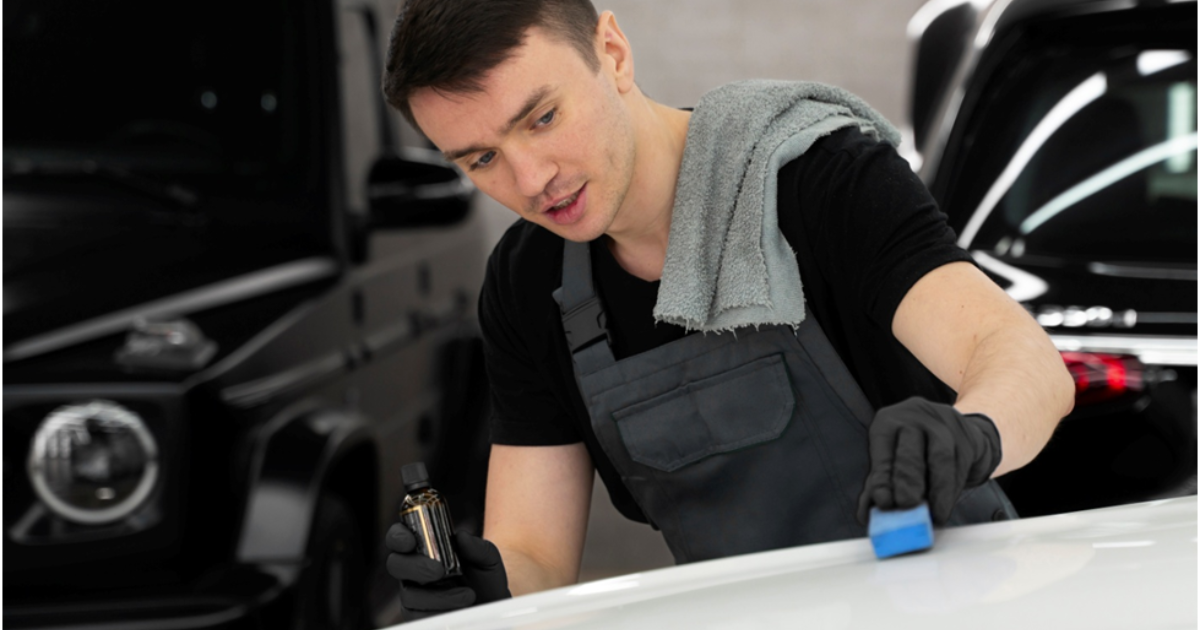
Paint Protection Film (PPF) shields your vehicle against rock chips, road debris, and swirl marks, but it isn’t indestructible. To keep your film clear, self-healing, and hydrophobic, you must follow specific aftercare protocols.
To maintain your car after PPF installation, let the film cure undisturbed for 7 days before washing. Once cured, wash the car bi-weekly using the two-bucket method, a pH-neutral car shampoo, and clean microfiber towels. Keep pressure washers at least 24 to 36 inches away from wrapped edges, clean bird droppings and bug splatter immediately, and apply a PPF-safe ceramic sealant every few months. Never use abrasive polishes, petroleum-based solvents, or automatic car washes with spinning brushes. Taking these proactive steps preserves the self-healing clear coat of your PPF protection film, ensuring long-lasting optical clarity, maximum gloss, and resilient defense against everyday road hazards for years to come.
Essential Tools and Materials for PPF Care
Using the correct car detailing gear prevents micro-marring on the urethane surface and stops dirt from accumulating along film edges.
| Tool / Material | Recommended Type | Purpose |
| Car Wash Soap | pH-neutral, wax-free shampoo | Cleans safely without degrading the adhesive or film coating |
| Wash Mitts | Plush microfiber or lamb’s wool | Lifts dirt without dragging grit across the clear bra |
| Buckets | Two buckets with grit guards | Separates dirty rinse water from clean soapy water |
| Drying Towel | 70/30 blend twisted-loop microfiber | Absorbs water without scratching or snagging edges |
| Quick Detailer | Alcohol-free, PPF-compatible spray | Spot-cleans contaminants like bug splatter and bird droppings |
| Protective Topcoat | Ceramic booster or SiO2 spray sealant | Enhances UV rejection, slickness, and water-beading |
The Initial Curing Period (Days 1–7)
Freshly applied clear bra requires time for the moisture beneath the film to evaporate and the acrylic adhesive to fully bond with the clear coat.
- Do not wash the car: Avoid all washing, rinsing, and heavy rain for the first 7 days.
- Ignore small bubbles and haziness: Minor moisture bubbles and slight cloudiness are normal; they naturally dissipate through the breathable polyurethane film as it bakes in the sun.
- Park in the sunlight: Warm sunlight accelerates the drying and bonding process.
- Do not touch lifting edges: If a corner lifts slightly during the first week, leave it alone and contact your installer for an edge trim or tack-down.
Step-by-Step Guide: How to Maintain Your Car After PPF Installation
Following a structured wash routine preserves the film’s self-healing topcoat and prevents lifting.
Step 1: Pre-Rinse and Decontaminate
Rinse the entire car thoroughly with water to knock off loose dirt, road grime, and sand. If you use a pressure washer, keep the nozzle at a 40-degree fan spray, hold it at least 24 to 36 inches away from the vehicle, and never spray directly into film seams or wrapped corners.
Step 2: Apply a Snow Foam Pre-Wash
Cover the car in a thick layer of pH-neutral snow foam using a foam cannon. Let the foam dwell for 3 to 5 minutes to dissolve traffic film and encapsulate grit. Rinse off before the soap dries.
Step 3: Perform the Two-Bucket Hand Wash
Fill one bucket with clean rinse water and another with soapy water. Both should have grit guards at the bottom.
- Dip your clean wash mitt into the soap bucket.
- Wash one body panel at a time using straight, overlapping lines (avoid circular motions).
- Always wipe across film seams rather than toward them to prevent snagging the edge.
- Rinse the dirty mitt thoroughly in the rinse bucket before reloading it with fresh soap.
Step 4: Rinse and Dry Safely
Rinse the panel from top to bottom. Dry the vehicle using a dedicated leaf blower or an ultra-absorbent microfiber drying towel. Instead of dragging the towel across body panels, gently lay it flat and pat the surface dry.
Step 5: Apply a Protective Sealant
Every 3 to 4 months, mist a dedicated PPF ceramic boost spray or SiO2 sealant over the film. This protects the polyurethane from sun oxidation, enhances dirt repellency, and keeps the film feeling slick.
Pro Tips to Maximize PPF Longevity
- Trigger self-healing with warm water: Minor swirl marks and micro-scratches disappear on modern thermoplastic polyurethane (TPU) films when exposed to heat. Pour warm water (around 120°F to 140°F / 50°C to 60°C) over the scratch or park the car in direct midday sun.
- Keep quick detailer in your trunk: Bird droppings and tree sap contain acids that can permanently etch the topcoat if left to bake in the sun. Wipe them off as soon as you spot them.
- Tape seams before detailing non-covered panels: If your car only has a partial front-end clear bra, use low-tack painter’s tape along the PPF border before polishing exposed paint to keep compound residue out of the film line.
Common Mistakes to Avoid
- Using drive-through automatic car washes: Abrasive nylon bristles scratch polyurethane and high-pressure side jets peel film edges.
- Applying petroleum- or solvent-based waxes: Products containing kerosene, naphtha, or high concentrations of alcohol dry out polyurethane, leading to premature yellowing and cracking.
- Using abrasive rubbing compounds: Rotary polishers and cutting compounds strip the protective self-healing layer off the film.
- Wiping dry paint: Rubbing dust off dry PPF causes severe surface scuffing. Always use a lubricant or quick detailer.
FAQs
Can I wax my car after getting PPF installed?
You can use natural carnauba waxes that contain no petroleum distillates or abrasive cleaners. However, liquid ceramic sealants or SiO2 sprays formulated specifically for PPF are far better because traditional paste wax often leaves white, crusty lines along film edges.
How often should I wash my car with paint protection film?
A thorough hand wash every 1 to 2 weeks is ideal. Regular washing prevents mineral deposits, brake dust, and organic matter from bonding to the porous polyurethane surface.
Can you use a ceramic coating on top of PPF?
Yes. Installing a ceramic coating directly over PPF adds another hydrophobic layer, makes bug removal easier, and shields the film from environmental fallout without inhibiting its self-healing abilities.
What should I do if a corner of the PPF starts peeling?
Do not pull on the film, trim it with household scissors, or try to glue it down. Wash the area gently without spraying under the flap, and take the vehicle back to your certified installer for a professional re-tack or edge trim under warranty.
Can I use a pressure washer on a car with PPF?
Yes, provided you exercise caution. Keep the nozzle at least 2 to 3 feet away from the paint, avoid narrow pencil-jet nozzles, and never spray directly at the edges or seams of the film.
Properly maintaining your car after PPF installation comes down to using gentle, pH-neutral wash products, avoiding aggressive mechanical contact, and removing acidic stains promptly. By treating your clear bra with the right wash techniques and periodic sealant boosters, you will keep your vehicle looking factory-fresh for a decade or more. If today you love your new car, giving it this routine care ensures you will feel that exact same pride every time you step into the garage years from now.