
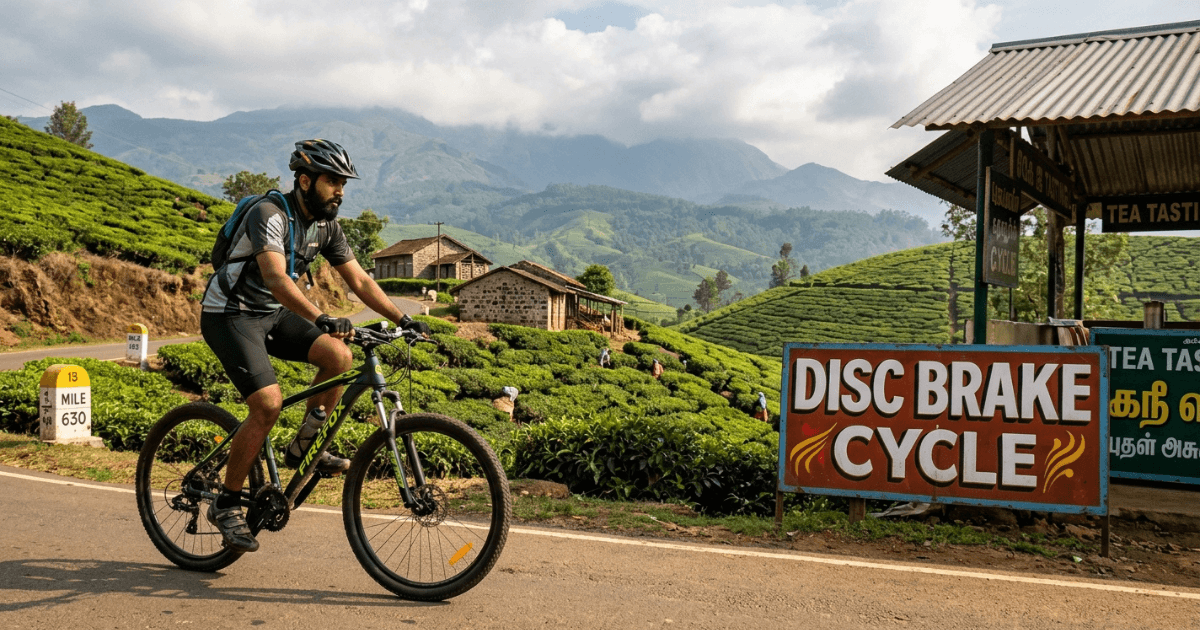
I still remember the day I switched to a disc brake cycle, and that ride changed how I look at everyday cycling. This bike uses a rotor and caliper instead of the old rim setup, and it gives riders real control on rough roads. Brands like OMO Bikes, Geekay Bikes, and BicycleKart all sell strong models built for daily use.
Whether you commute, ride for fitness, or explore trails, a good bike makes every trip safer. I have tested many models over the years, and the difference in stopping power always stands out. This guide covers everything you need before buying your next bike, from basic design to price and maintenance.
I learned most of this the hard way, through a few close calls on wet roads before I understood how brakes really work. A little knowledge before you shop saves a lot of trouble later. By the end, you should feel ready to pick a model with full confidence.
A reliable braking system matters more than most riders think. Weather, traffic, and rough terrain all test your bike’s limits at some point. By the end of this article, you will know exactly what to look for in a good ride.
What Is a Disc Brake Cycle?
A disc brake cycle uses a metal rotor fixed near the wheel hub instead of gripping the rim. When you pull the brake lever, the caliper presses pads against the rotor, and friction slows the wheel down fast. This simple design works on mountain bikes, hybrid bikes, road bikes, and gravel bikes alike.
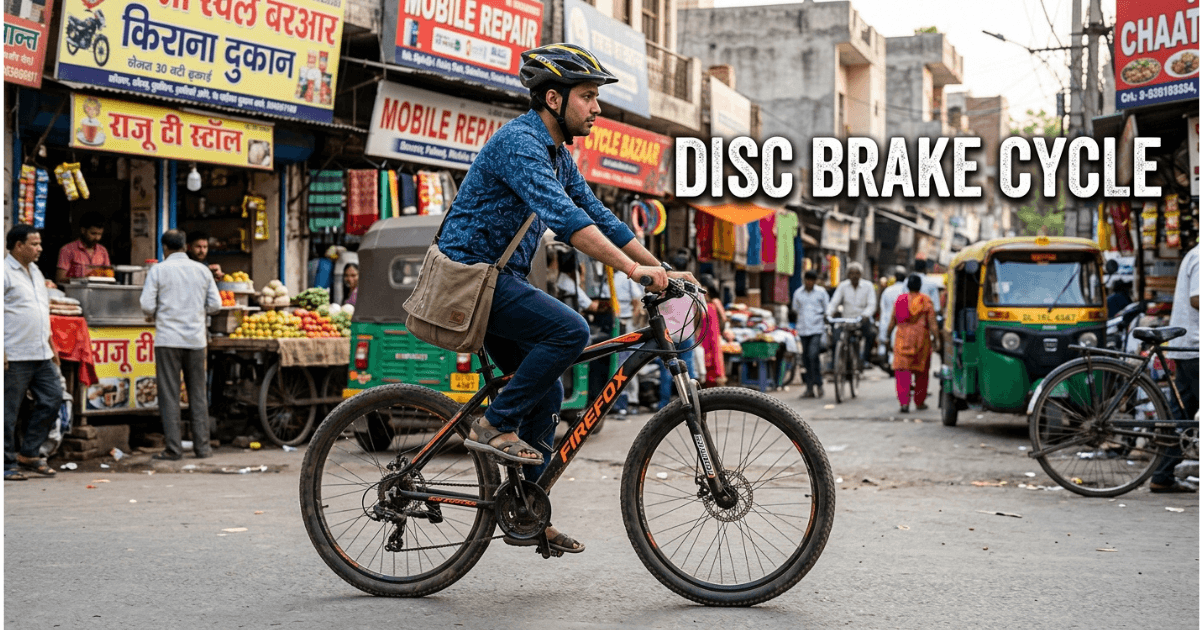
There are two main types of brakes on this kind of bike: mechanical and hydraulic. Mechanical setups use a cable and stay easy to fix at home. Hydraulic setups use fluid pressure and give a smoother, more responsive feel on tough rides.
Picking the right type for your bike depends on your budget, your riding style, and how often you plan to service it. I switched from rim brakes years ago, and the upgrade still feels worth it every single ride. New riders often ask which type suits beginners best, and mechanical brakes usually win that answer.
Benefits of a Disc Brake Cycle
The biggest benefit of this braking style is stopping power. Riders get strong, controlled braking on slopes, busy roads, and uneven surfaces without much extra effort. This control builds real confidence, especially on fast downhill sections.
A disc brake cycle also performs well in wet or muddy conditions. Since the rotor sits away from the tyre rim, mud and water barely affect braking response. This makes the setup a smart pick for mountain biking and rough trail rides.
Component replacement is another plus. Instead of swapping an entire braking system, riders can replace just the rotor, pads, cable, or caliper. This keeps repair costs low and keeps the bike running smoothly for years.
Riding confidence grows fast once you trust your brakes fully. I noticed this myself on a steep coastal road last year, where sudden stops felt completely under control. That single ride convinced me disc brakes were worth every extra rupee.
Noise reduction is another small win many riders overlook. Old rim brakes often squeal in the rain, while a properly set disc system stays quiet in most conditions. Fewer strange sounds mean less stress on every ride, especially in busy traffic.
Types of Disc Brakes
Mechanical disc brakes use a simple cable to move the caliper, and they suit casual cyclists on a budget. Brands like JAK, Trioblade, and Buzzer sell affordable mechanical parts that are easy to service at home. This is often the first choice for a beginner’s first bike.
Hydraulic disc brakes use sealed fluid lines for smoother, stronger braking. These setups suit performance-focused riders tackling steep descents or long mountain trails. Brands like Logan offer hydraulic systems built for serious daily use.
Servicing costs run a bit higher for hydraulic systems, since bleeding the lines needs some practice or a trip to the shop. Most riders only need this once or twice a year. The stronger, more consistent braking feel usually makes the extra cost worth it for regular riders.
Beyond brake type, this kind of bicycle also comes as single-speed, geared, or electric. Geared models help on hilly terrain with multiple gear ratios. Electric models add pedal-assist power for longer commutes and steep inclines.
Climate plays a role in this choice too, since hydraulic lines can feel stiff in extreme cold while mechanical cables stay simple in any weather. Riders in wet regions often lean toward sealed hydraulic setups for consistent grip. Dry, dusty areas suit mechanical brakes just as well, since dust rarely affects a basic cable system.
Popular Disc Brake Cycle Options
OMO Bikes offers strong choices like the Coorg Ace and Ladakh Ace, both 7/21-gear hybrid models priced from ₹14,499. The Manali Ace and Zozila Ace bring mountain-bike styling for riders who want a tougher build. Higher-spec versions like the Ladakh Prime and Coorg Pro step up to 8/24 and 9/27 gear setups.
Geekay Bikes runs a wider range across wheel sizes. The Altivo series comes in 26-inch, 27.5-inch, and 29-inch builds, matched to different rider heights. The Billion and Bravo series add more choice for riders comparing bikes by frame size and budget.
Every model differs slightly in tyre width, frame steel, and gear count. I always recommend test riding two or three options before choosing a bike that fits your body and your usual route. A short test ride tells you more than any spec sheet ever will.
Always check the warranty terms and after-sales support before you finalise a purchase. A local dealer who offers free tune-ups saves real money over the first year. I also suggest asking about spare part availability, since some models use uncommon rotor sizes that are harder to replace.
Disc Brake Cycle Price
Prices for a disc brake cycle depend on frame, wheel size, gears, and brake type. Geekay Bikes groups its range into clear budget bands, from under ₹10,000 up to ₹40,000 for premium builds. This makes comparing models simple for first-time buyers.
For example, the Altivo Single Speed 26T lists near ₹13,649, while the Billion Multi Speed sits close to ₹17,099. Electric models cost more due to battery components. Always check the current listing, since prices shift with stock and promotions.
Spare parts also carry a wide price range. A basic brake cable costs around ₹100, while a full Logan hydraulic disc brake system can reach ₹3,999. Budget riders often upgrade one part at a time instead of buying a whole new bike.
How to Choose the Right Disc Brake Cycle
Start by thinking about your riding purpose. A hybrid cycle suits daily commuting and fitness, while an MTB handles rough terrain and steep trails better. Match your gear count to your usual route, especially if it includes hills.
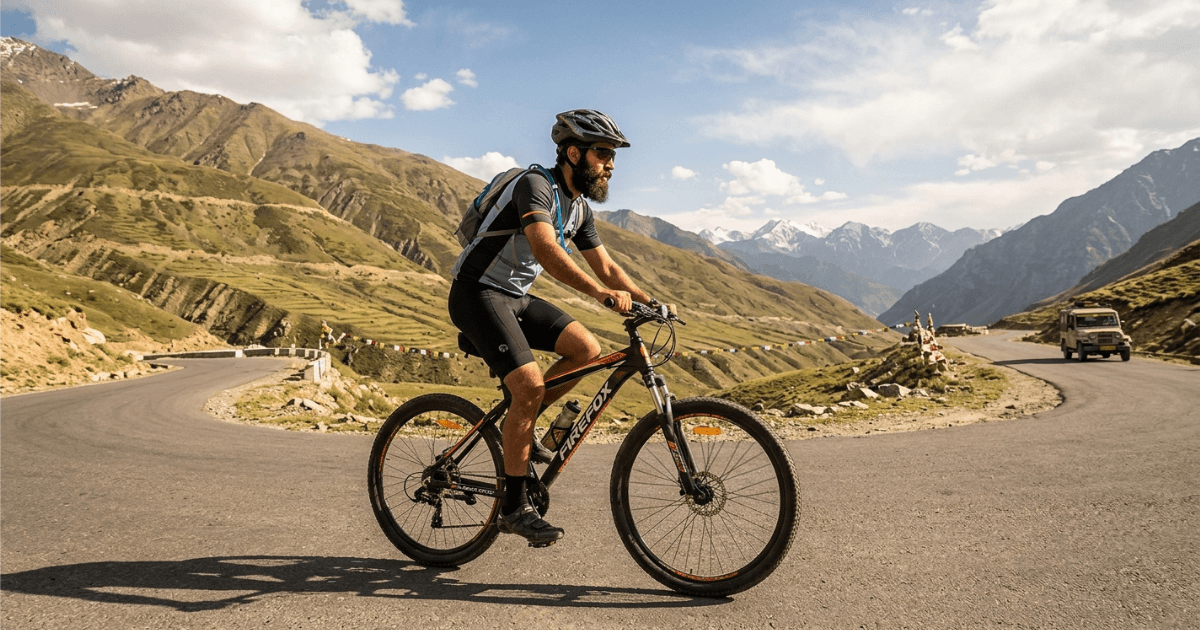
Frame size and wheel size should match your height for real comfort. A poorly fitted disc brake cycle causes strain on long rides, no matter how good the brakes are. Always check compatibility between the frame, fork, and rotor mounting system too.
Budget matters as much as specs. Compare mechanical versus hydraulic brakes based on your maintenance comfort and how often you ride. A well-chosen bike should feel natural within the first few minutes of riding it, without any odd pulling or wobble.
Maintenance Tips for Disc Brakes
Keep the rotor clean and free from oil or grease, since dirt lowers stopping power fast. Check brake pads and cables often, and listen for rubbing or squeaking sounds while riding. If stopping performance drops, get the brakes checked right away.
Inspect the rotor for bends or visible damage after any hard fall. Hydraulic systems need checks for leaks, while mechanical cables need checks for fraying or stretching. Loose caliper bolts should always get tightened before your next ride.
Along with brake care, check tyre pressure and chain lubrication regularly. A well-maintained bike lasts far longer and stays safer on every trip. I inspect mine every month, and it has saved me from a few close calls on busy roads.
Seasonal changes also affect brake performance, so give the bike extra attention before monsoon rides or long winter trips. Cold weather can stiffen hydraulic fluid slightly, so a quick lever check before departure helps. Keeping a small toolkit at home makes these regular checks fast and easy.
Disc Brake Cycle vs Rim Brake Cycle
The core difference sits in design. A rim brake grips the wheel rim directly, while this style of bike uses a separate rotor near the wheel hub. This keeps the braking surface cleaner and steadier in bad weather.
Rim brakes still work fine for flat, simple city rides. But a disc brake cycle performs better on wet roads, steep slopes, and rough terrain where extra stopping power really counts. For mountain biking especially, disc brakes remain the safer pick, and most serious riders never look back once they switch.
Weight is a small trade-off worth mentioning here, since disc systems add a bit more mass than basic rim setups. Most riders barely notice this once they feel the stronger braking response. For anyone riding on hills or in wet climates, the extra grip easily outweighs the small weight difference.
Final Thoughts
A disc brake cycle brings real control, strong confidence, and long-term value for almost any rider. Compare specifications, price, brake type, and frame size before you commit to one model. The right choice depends on your budget, your height, and where you usually ride.
I have owned several bikes over the years, but a well-built one remains my daily pick for comfort and safety. Whether you commute, ride for fitness, or hit the trails, this braking style handles it all well. Take your time, compare a few models, and pick the bike that truly fits your life and your budget.
FAQs
Are disc brake cycles good for daily use?
Yes. A disc brake cycle handles daily commuting, fitness riding, and recreational cycling with ease. Most riders find it more reliable than rim brakes for everyday trips.
Which wheel size is best for a disc brake cycle?
There is no single best wheel size. Your ideal pick depends on your height, riding style, local terrain, and personal comfort on the saddle. Trying a few sizes in person before buying always beats guessing from a size chart alone.
Are disc brake cycles suitable for mountain biking?
Yes, a disc brake cycle suits mountain biking very well. It gives controlled braking across rough terrain and stays steady on steep, technical routes.
Are geared disc brake cycles better than single-speed models?
It depends on your route. Geared cycles work better across hilly and varied terrain, while single-speed models stay light and simple on flat routes.
How often should disc brakes be maintained?
Check your brakes often, focusing on the pads and rotor for wear or damage. If braking performance changes or unusual noises start, book an inspection right away. Most local bike shops offer a quick check for a small fee, which is worth it for peace of mind.