

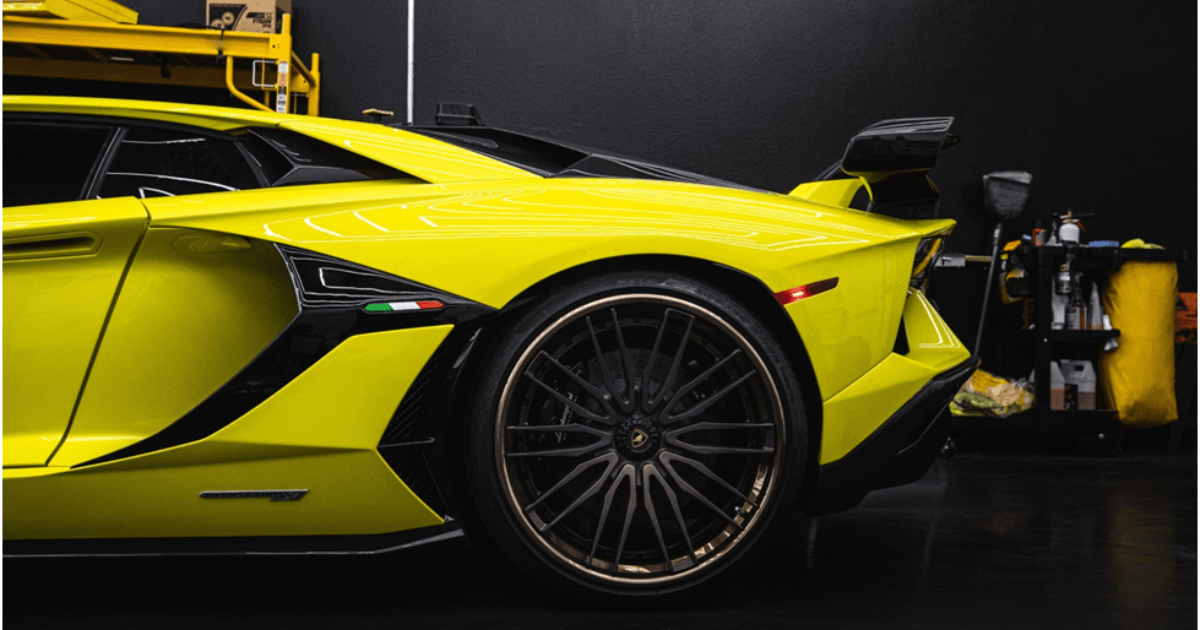
To maintain a ceramic-coated vehicle in West Palm Beach, wash it every two weeks using the two-bucket hand wash method and a pH-neutral shampoo to strip away coastal salt spray and mineral deposits. Always work in the shade during early morning or late evening hours to prevent water spots from South Florida’s intense UV rays. Avoid automatic tunnel washes, apply a silica-based ceramic topper every three months, and schedule an annual professional decontamination to preserve hydrophobic performance.
West Palm Beach’s coastal climate throws unique challenges at your vehicle’s clear coat. Between relentless UV radiation along I-95, airborne salt air blowing off the Intracoastal Waterway, and sudden afternoon sun showers loaded with hard minerals, even the toughest SiO2 ceramic coating needs routine care to stay slick and hydrophobic. Understanding these local environmental hazards—and knowing when to rely on professional auto detailing West Palm Beach specialists for seasonal decontamination—ensures your paint stays protected, glossy, and swirl-free throughout the year.
Essential Tools and Materials Needed
Using the wrong chemicals or towels will clog your coating’s pores or inflict micro-marring. Keep these specific supplies in your garage:
| Tool / Material | Specification | Purpose |
| Car Shampoo | pH-neutral (pH 7), wax-free | Cleans without leaving gloss enhancers that mask hydrophobicity |
| Wash Buckets | Two 5-gallon buckets + Grit Guards | Separates soapy water from dirty rinse water to prevent swirls |
| Wash Mitt | Plush microfiber chenille mitt | Lifts coastal grit safely off the clear coat |
| Drying Towels | High-GSM twisted-loop microfiber | Absorbs hard Florida water before minerals bake onto the paint |
| Ceramic Topper | SiO2 spray sealant | Boosts slickness and sacrifices itself against UV and salt |
| Iron Remover | pH-balanced fallout remover | Dissolves embedded brake dust and industrial contaminants |
Preparation before Washing
South Florida heat turns soapy water into baked-on mineral spots within seconds. Set yourself up properly before touching the paint:
- Check the Sun and Surface Temp: Never wash your car in direct afternoon sunlight. Wait until early morning, late evening, or pull into a shaded driveway so the panels are cool to the touch.
- Pre-Rinse Thoroughly: Use a pressure washer or strong hose nozzle to blast off loose beach sand, salt crystals, and palm pollen before making physical contact.
- Fill Your Buckets: Fill one bucket with clean rinse water and a Grit Guard at the bottom. Fill the second bucket with water and your pH-neutral ceramic shampoo.
Step-by-Step Maintenance Wash Guide
Step 1: Wash From Top to Bottom
Dip your microfiber mitt into the soap bucket and wash one panel at a time, starting with the roof and glass. Move downward toward the rocker panels and bumpers, which trap the heaviest road grime and salt buildup.
Step 2: Rinse the Mitt After Every Panel
Before reloading your mitt with soap, dunk it into the clean rinse bucket and rub it against the Grit Guard. This releases trapped sand particles so you do not drag them across your ceramic coating.
Step 3: Perform a Final Rinse
Rinse the entire vehicle thoroughly with clean water. Watch how the water beads and sheets off the surface—tight, uniform beads indicate a healthy, unclogged ceramic layer.
Step 4: Dry Immediately Using a Drying Aid
Lay a twisted-loop drying towel flat across the hood and gently pull it toward you. Mist a light coat of SiO2 spray sealant onto the wet panels as a drying aid; this lubricates the towel, eliminates water spots, and refreshes the coating’s slickness.
Pro Tips for West Palm Beach Drivers
- Remove Bird Droppings and Bug Splatters Immediately: Lovebugs during May and September, along with coastal seabird droppings, are highly acidic. Keep a small bottle of rinseless wash and a plush microfiber towel in your trunk to spot-clean messes before the sun etches them into the coating.
- Use Spot-Free Rinse Water: West Palm Beach municipal water has high mineral content. If you wash at home regularly, invest in an inline deionized (DI) water filter to guarantee zero water spots.
- Decontaminate Quarterly: Every three to four months, spray a pH-neutral iron remover onto cool paint before washing to dissolve microscopic brake dust and salt crust that clog hydrophobic properties.
Common Ceramic Coating Mistakes to Avoid
- Using Automatic Tunnel Car Washes: Spinning nylon brushes act like sandpaper, while harsh alkaline pre-soaks strip away SiO2 toppers and degrade your coating’s lifespan.
- Washing With Wash-and-Wax Soaps: Traditional car soaps contain carnauba wax or polymers that coat over your ceramic layer, temporarily killing its water-beading ability.
- Letting Rainwater Air-Dry in the Sun: A quick five-minute Florida sun shower followed by blazing sun acts like a magnifying glass, baking hard water spots onto horizontal panels like your hood and roof.
Long-Term Maintenance Schedule
Following a consistent schedule ensures your investment lasts its full rated lifespan:
- Every 2 Weeks: Perform a two-bucket pH-neutral hand wash.
- Every 3 Months: Apply a silica-based ceramic booster spray after washing.
- Every 12 Months: Visit a certified West Palm Beach detailer for a chemical decontamination wash and professional inspection to maintain your warranty.
Frequently Asked Questions (FAQs)
How often should I wash a ceramic-coated car in West Palm Beach?
Wash your vehicle every two weeks. If you park outdoors near the ocean, drive along A1A frequently, or encounter heavy lovebug swarms, wash it once a week to prevent salt and acid buildup.
Does ceramic coating protect against Florida hard water spots?
A ceramic coating makes water bead tightly, which means mineral deposits can actually concentrate into raised spots if left to bake in the sun. Drying your car completely after every wash is essential to prevent water spotting.
Can I wax over my ceramic coating for extra shine?
No. Applying traditional carnauba wax or paint sealants over a ceramic coating masks its hydrophobic properties and attracts more dust. Always stick to dedicated SiO2-based ceramic toppers.
Why did my ceramic coating stop beading water?
When water begins pooling flat instead of beading, your coating is usually clogged with traffic film, salt residue, or mineral deposits—not worn off. A thorough wash using an iron remover and an acidic water-spot shampoo typically restores full water beading.
Can I take my ceramic-coated car through a touchless car wash?
While touchless washes avoid physical brush scratches, they rely on aggressive, high-pH detergents to clean without friction. Occasional use in an emergency is acceptable, but regular touchless washes will prematurely degrade your coating.
Conclusion
Learning how to maintain a ceramic-coated vehicle in West Palm Beach comes down to consistent, gentle hand washing and staying ahead of the coastal elements. By washing in the shade every two weeks, drying thoroughly to beat hard water minerals, and topping up your protection every few months, your vehicle will maintain a deep, glossy, swirl-free finish year-round. Considering how much Ceramic Coating Costs upfront, following this simple care routine is the smartest way to maximize your investment and avoid expensiv