

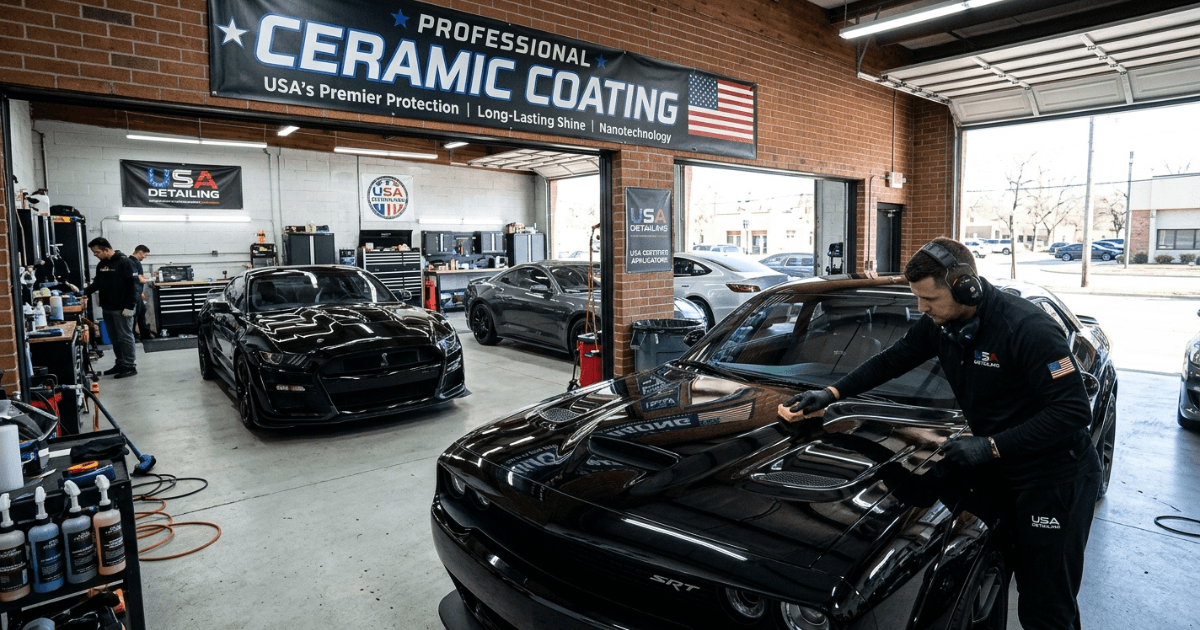
How much ceramic coating costs Phoenix drivers depends on three things: your car, your paint, and the product. Local shops list a wide price range, from $299 to more than $3,000, and that gap confuses almost everyone. This guide explains what the money buys and shows you where a cheap coating can burn you.
Is Ceramic Coating Worth the Price in Phoenix?
Shops show published pricing from about $500 to $3,000 or more, and the ceramic coating cost rises with every extra hour of prep. A $299 mobile offer sits at the bottom, while rare sports cars can pass $4,000.
Each shop shows its starting price in its own way. Jacksons lists $489.99 online, Auto Cosmetics starts at $799, and Marrufo starts at $899 for its five-year package. Mirror ImagAZ starts near $1,200 for a small car, and RoughRate lists $800 to $3,500 or more.
What do the three price tiers look like?
Phoenix shops usually sell an entry tier, a mid-tier, and a premium tier. Prices generally run $500-$900 for the first, $900-$1,800 for the second, and $1,500-$3,000+ for the third. Each step up adds package pricing for more polishing, more product, and a longer warranty.
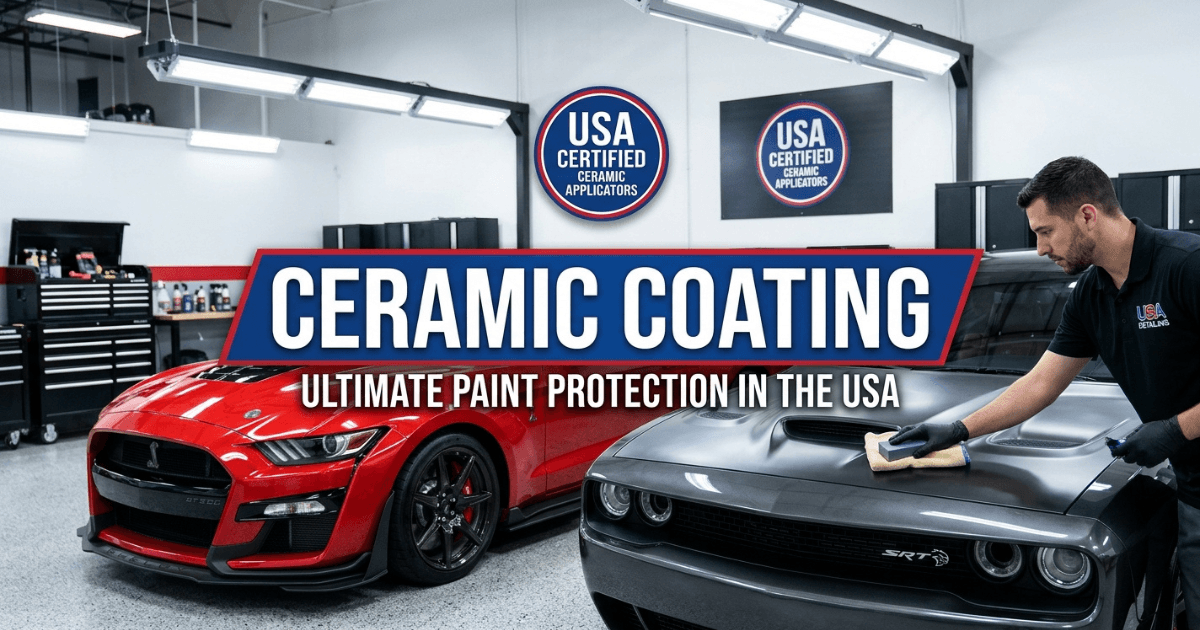
Tiers follow rated lifespan, which runs from one to two years up to six to nine years. A 3-year coating suits a newer car that sleeps in a garage, while a 5-year coating fits most daily drivers. Graphene options go further, and one Chandler shop sells a graphene-reinforced coating as a 10-year coating.
Why does the price swing so much between shops?
Labor drives the bill more than the bottle does. Shops spend hours on paint correction before any product touches the car, and those hours decide most price drivers on your quote.
A garaged new car may need two labor hours of prep, while an old black crossover may need eight or more. Add wheels, glass, or trim, and the quote climbs again.
How much does ceramic coating cost for a sedan, SUV, or truck?
A sedan or coupe usually costs $600 to $1,000 for an entry job and $1,200 to $2,000 for a premium one. An SUV or truck adds roughly $300 to $800. A luxury vehicle or an exotic can reach $2,500 to $4,000 or more.
An off-road vehicle needs extra prep after trail dust and scratches, and one Arizona guide lists $1,200 to $1,600 for an entry job on one. Ask every shop for the installed price on your exact model. Then ask for the out-the-door price in writing, so surprise fees cannot appear.
What Exactly Is Ceramic Coating?
A coating is a liquid polymer that forms a chemical bond with your clear coat. It cures into a hard, glass-like layer that shields the paint underneath. Pro versions often contain 70 percent or more SiO₂, which is silicon dioxide.
Brands label strong products 9H hardness, a score from the pencil-hardness scale. That number hints at good scratch resistance, yet it never makes paint bulletproof. A nano-ceramic coating from a professional-grade coating line cures harder than consumer-grade coating from a store kit, and a spray-on coating sits at the weakest end.
Why does paint correction cost so much?
A coating locks in whatever sits under it, so shops polish first. Good paint prep includes decontamination, a clay bar pass, and machine polishing. Skip those steps, and you seal swirl marks into the paint for years.
A solid job starts with a hand wash using the two-bucket wash method, then an iron remover spray dissolves iron fallout left by braking. Techs follow with a panel wipe, so the product bonds to bare paint. Under strong inspection lighting, they hunt light scratches, water spots, and other paint defects.
How many correction stages does my car need?
New paint often needs only a single-stage correction or a one-step polish. Dark cars with deep swirls need multi-stage correction, which adds a two-step polish with a cutting pass and a refining polish. Heavy scratches may call for compounding and even wet sanding.
Before sanding deeper scratches, a careful tech checks paint thickness with a gauge. Marrufo, for example, prices the heavier stages on a phone call after it sees the paint. The goal is a mirror finish, and removing oxidation gives the coating clean paint to grip.
Is ceramic coating worth it in Phoenix?
Yes, for any car that sits outside. The Arizona sun, mineral-rich water and monsoon dust attacks bare paint faster than they do in most places. A coating takes that damage on a sacrificial layer instead of your paint.
Summer brings extreme heat, with 115°F heat peaks and 110-degree summers that last for weeks. The desert climate also delivers about 300 sunny days a year and a UV index of 11 or more. In the urban heat island, pavement keeps paint warm all night, and afternoon surface temperature on dark paint can pass 150°F.
What does Phoenix weather do to unprotected paint?
Heat bakes bird droppings and bug splatter into the finish within a day. Monsoon season brings a haboob or a dust storm that coats every panel in grit. Then sprinkler water and mineral-heavy rain leave spots that hard water turns permanent.
Desert dust scratches paint during every dry wipe, and mineral deposits from rain dry into etching. Daily freeway fallout from the I-10, I-17, and Loop 101 adds brake dust, road film, and road grime. A commuter vehicle in an open parking lot takes the worst of it, and outdoor parking speeds up the damage for most Valley drivers.
What do I get for my money?
You get a hydrophobic, even ultra-hydrophobic, surface that acts self-cleaning in light rain. Water beading and water sheeting carry dirt away, so dirt release happens during a normal rinse. That means easier washing and a low maintenance routine.
The finish gains deep gloss, showroom shine, and richer color depth, plus great surface slickness. Many owners also see better resale value, because a well kept car with a clean paint preservation record sells faster.
What does ceramic coating protect against?
A good coating gives you UV protection that fights UV fade, plus heat resistance during long Phoenix afternoons. It also adds oxidation resistance and chemical resistance against harsh cleaners and spills. Together, these cut the damage from tree sap and similar sticky messes.
A coating offers some swirl resistance and fights light marring from careless washing. It does not stop deep scratches, and it cannot replace a good wash routine. Treat paint protection as a system, with coating for chemistry and film for impacts.
Ceramic Coating vs. Wax vs. Sealant: Which Protects Best?
Yes, Wax fades in one to three months, and paint sealant lasts about four to six months in Phoenix. A coating lasts two to ten years, depending on the tier.
Wax costs under $100 per application, so many people stay loyal to it. Over three to five years, though, the cost per year of a coating often wins, and a Rough Rate guide estimates a return on investment where uncoated care costs $2,000 to $6,500 against $1,200 to $3,500. That site sells these services, so treat the math as a rough guide.
Paint Protection Film or Ceramic Coating: Which Should You Choose?
They do different jobs, and many owners buy both. A coating adds gloss and cleanup help, while paint protection film (PPF) works as a physical barrier against rock chips and gravel.
Film is a thick urethane film, and a self-healing film closes light scratches with heat. Shops often call it a clear bra on the front end, and then add coating over film so the film stays clean. That pairing gives chemical protection and impact defense, while a vinyl wrap needs its own care plan.
What do add-ons like wheels and glass cost?
Add-ons often push a mid-priced quote toward the top tier. Shops coat wheel faces, wheel barrels, and brake calipers, plus glass coating for the windshield. They also coat plastic trim and interior leather, and each surface needs its own prep.
Basic packages cover painted surfaces, while bigger ones add other exterior surfaces and an upholstery coating for seats. Shops also handle aluminum corrosion protection on trim and offer headlight restoration. Many customers pair coating with window tint, and ceramic tint adds infrared heat rejection that cools the cabin.
How long does a ceramic coating last in Arizona?
Entry products last about one to two years in Phoenix, while strong premium ones reach five to seven years or more. The coating lifespan follows durability by tier, but your wash habits matter too. Parking in shade adds even more life.
Shops that sell long-lasting products back them with a manufacturer warranty and a workmanship guarantee. Ask for a written warranty, and ask whether it counts as a transferable warranty when you sell the car. Choose a multi-year package only when the warranty-backed terms spell out what voids the cover.
Why does a cheap deal cost more later?
A $299 deal often hides a weak product over uncorrected paint. When shops skip polishing, defects stay trapped under the film, and coating failure can appear within one summer. Premature failure hits hardest on spray kits, so buy a product rated for heat.
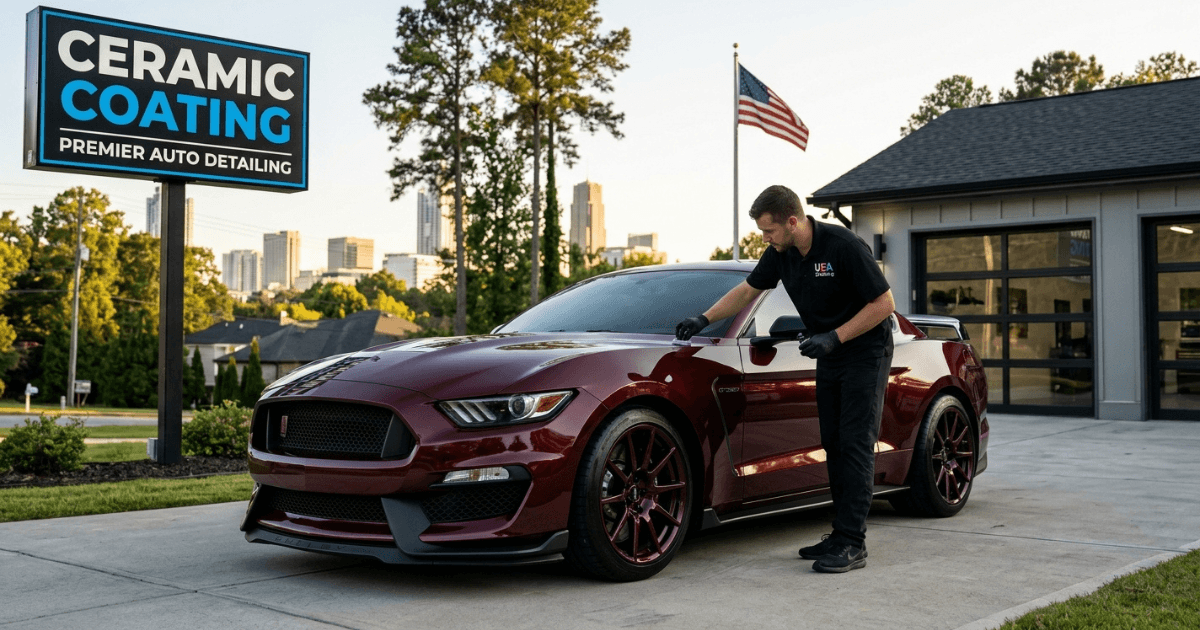
Rough Rate warns that quotes under $500 usually describe a weak spray product. High Touch Points, a mobile shop, advertises $299 starts that include standard correction and a three-year warranty, so read what the price covers.
How do I choose a trustworthy installer?
Look for a certified installer with factory-trained technicians and a clear paint check before you pay. Brands such as FEYNLAB, Ceramic Pro, and Gtechniq approve or train shops. Ask to see paint inspection notes and photos of past work.
Good shops often work in a climate-controlled shop with a controlled cure environment, so dust stays off wet product. Others use mobile detailing, which works well when the tech corrects paint first. Check BBB accreditation, pick professional installation over a DIY coating for paint you love, and read recent reviews.
How should I care for a coated car?
Respect the first-wash waiting period of about seven days, then wash by hand with pH-neutral soap. Dry the paint with a microfiber towel, and skip the automatic brush wash. A touch less wash works fine when you are in a hurry.
Follow your aftercare instructions and keep a simple care routine. Many shops sell a maintenance topper, often a SiO₂ maintenance spray, to refresh slickness. Book the annual inspection to meet maintenance requirements, and give the curing time a full week.
Ceramic Coating Cost FAQs
How long does the job take?
Plan on one day with a standard polish and three to four days with extra correction. Shops hold the car so the coating cure can finish, and Rough Rate lists 24 to 48 hours for that step. Expect longer if the shop applies several layers.
A multi-layer coating adds labor and wait time between passes, and an installer-only product costs more than anything on a store shelf. Both choices explain why a premium job takes longer.
Does the price change by city in Arizona?
Yes, a little. The Phoenix Valley and Scottsdale often charge more, because demand and high-end car traffic run higher. Tucson shops usually price slightly lower, according to a 2026 guide from a Tucson shop.
The East Valley has strong competition, and one Chandler shop publishes every tier online. North Phoenix shops near Deer Valley offer in-shop and mobile service.
Can I get financing or a discount?
Yes, many shops help. Plans spread the cost over months, and financing choices include Affirm, Klarna and After pay. Auto Cosmetics also lists a military and first responder discount of 10 percent.
Start with a free quote, and ask for a same-day quote if time is tight. Some sites build an instant quote from your car, paint condition, and tier. Compare written totals, and then book the shop that explains its prep clearly.
What is the smartest way to budget for a coating?
Build your budget around the paint, not the sticker. Decide how long you plan to keep the car, and then match the product to that timeline.
Collect three written offers that list every step, every surface, and the exact product name. Compare the hours of prep, the warranty terms, and the shop’s reviews, not only the final total. The cheapest offer rarely wins, and the most expensive one rarely needs to.