

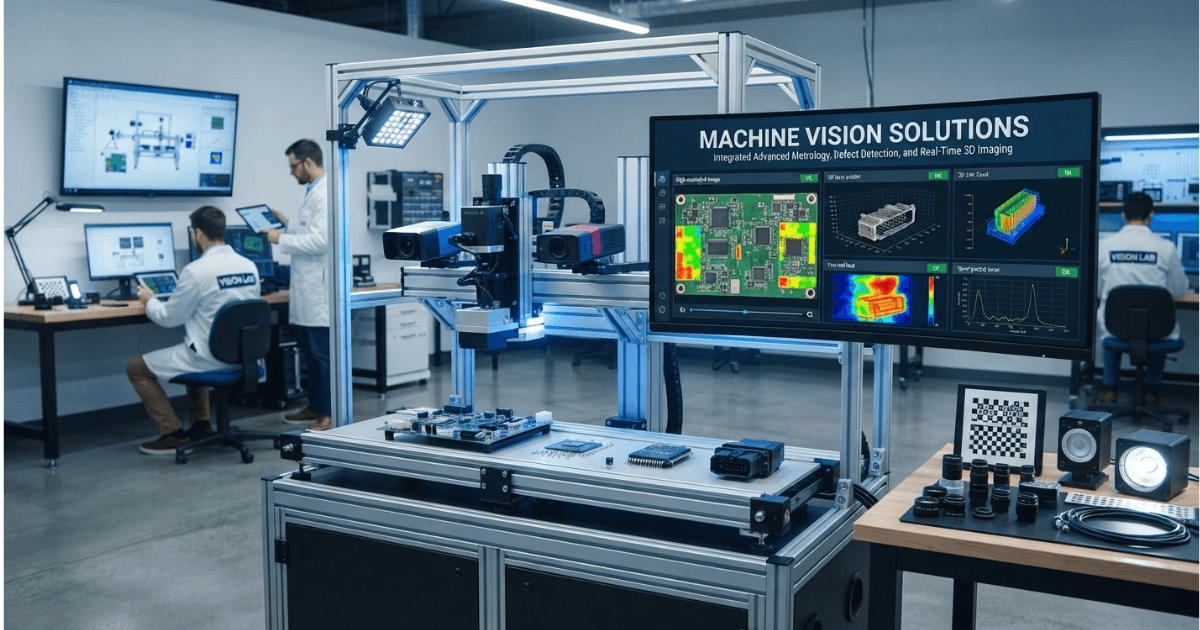
I have watched factories change over the years, and machine vision solutions now sit right at the center of that shift. Plants lean on cameras, imaging systems, and smart software to run quality checks and catch defects without slowing the line.
Raute built its name in engineered wood, yet its machine vision solutions reach into automotive, pharma, food, metals, and plastics. NobleProg takes a consulting angle, while Peak Technologies treats vision as an end-to-end tool for logistics and supply chains.
Each company frames it differently, but the goal stays the same: steady quality, stronger production output, and better real-time information for the people running the floor.
What Is Machine Vision?
At its core, machine vision solutions give industrial systems the power to read visual information on their own. Cameras grab images of materials, and specialized software studies those pictures to spot defects, patterns, and measurements.
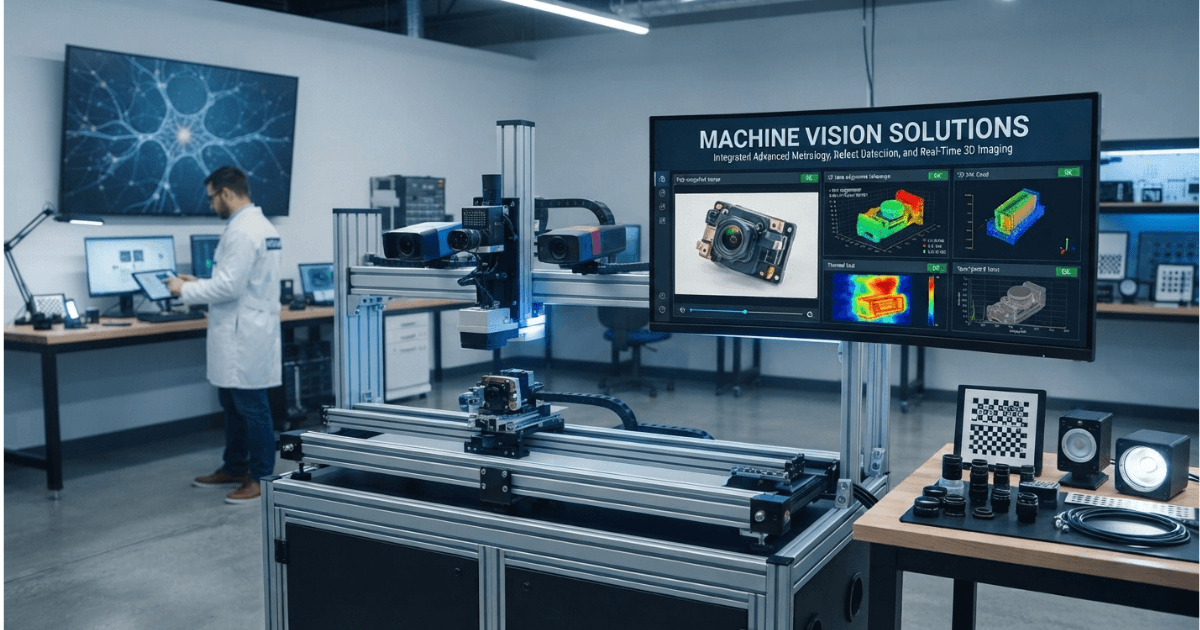
This replaces slow manual checks with repetitive inspection that never gets tired. Machine vision consulting builds on this same idea, only aimed at planning rather than pure execution.
Consultants study business needs, then handle design and testing before rolling the system into daily operations. In a warehouse, the same machine vision solutions help scan pallets, packages, barcodes, and labels at high speed.
How Machine Vision Works
A working setup leans on a short list of parts that pull together well. Industrial cameras capture detailed images, and image processing software pulls out dimensions, surface marks, and other set criteria.
Intelligent software then turns that raw picture into something useful, often leaning on artificial intelligence to catch defects a plain camera would miss. This feeds straight into automated decisions like grading, sorting, or rejecting bad material.
On the warehouse side, the same building blocks show up under different names. Sensors, frame grabbers, and image data tools work together to read barcodes, labels, and package details, and this is where machine vision solutions prove their real worth.
Benefits of Machine Vision Solutions
Better sight on the line means better outcomes almost everywhere you look. Sharper quality checks stop bad material from sliding further down the process, and this protects steady product quality far better than a rushed spot-check.
Greater efficiency follows close behind, since cutting manual work on repeat tasks frees teams to fix real problems faster. Reduced waste comes from sharper defect detection, and I have seen this play out clearly in veneer production.
Machine vision solutions also support predictive maintenance, catching equipment trouble before it turns into real downtime. Better working conditions round this out, since automated systems take over the most tiring inspection work.
In a warehouse, faster operations speed up loading, unloading, and sorting all at once. Fewer scanning errors follow once manual barcode checks give way to automated verification, and lower costs show up through less rework and fewer wrong shipments.
Better supply chain visibility finishes the list, giving teams stronger tracking and a clearer read on where every item stands. Raute, NobleProg, and Peak Technologies each point to real productivity gains here.
The Role of AI in Machine Vision Solutions
Artificial intelligence is stretching what these systems can actually do on the floor. Traditional setups often struggle with low contrast or busy surface patterns, which is exactly the gap AI closes.
Raute reported in 2026 that its AI-based veneer analysis improves detection of small, tricky defects like sound knots. More accurate detection supports better grading and stronger material use across the board.
Peak Technologies applies similar thinking to barcode reading, using AI to flag problem packages and support sharper decisions in busy warehouses. Their broader machine vision solutions bring together fixed scanners for real-time checks, defect detection, and sorting.
Applications across Industries
Modern machine vision solutions now reach far past one factory floor, covering automotive, pharma, food and beverage, metals, plastics, and engineered wood. These setups handle surface checks, measurement, defect detection, and grading in ways that fit each site’s needs.
Because requirements differ so much from factory inspection to warehouse work, industry-specific tuning matters more than people expect. Inbound and outbound logistics both lean on automatic package checks, so items get confirmed before they ever leave a facility.
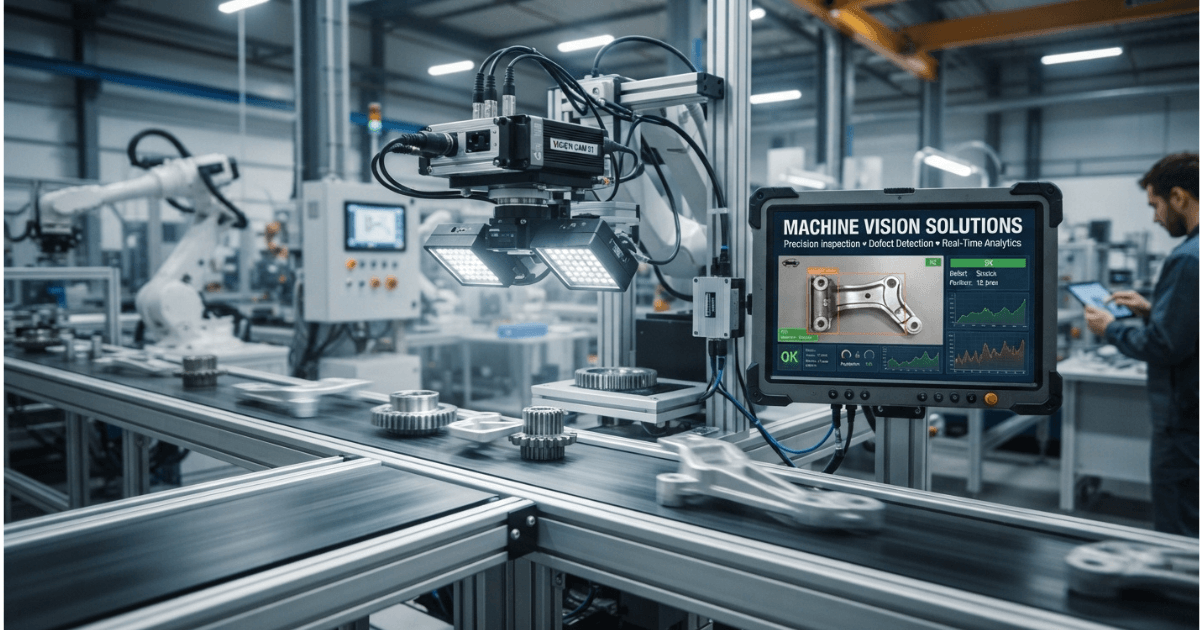
Pallet scanning checks contents and locations to head off shipment errors and delays. Label inspection flags damaged or blurred labels right after printing, well before problems reach the wider distribution chain.
Automated pick-and-pack sorting keeps high-volume warehouses moving with far fewer manual mistakes. Inventory categorization lets teams sort stock through automatic identification, and package tracking keeps every item visible from start to finish.
Customizable and Scalable Solutions
No two production sites share the exact same inspection needs, which is why flexible machine vision solutions usually beat a stiff one-size-fits-all setup. Raute leans on a low-code software platform to build custom tools that slot into existing workflows.
NobleProg follows a similar logic, shaping choices around cameras, lighting, and software based on real company needs. Consultants build around actual requirements rather than falling back on a generic system, and that one decision saves the most time later.
Future of Machine Vision Solutions
Industrial vision is heading toward deeper ties with artificial intelligence, automation, and analytics inside fully connected production systems. AI-powered inspection should keep sharpening defect detection, while integrated data helps teams read performance and make faster calls.
Machine vision consulting will likely play a growing role in helping companies fit these tools into their own business processes. On the supply side, real-time analytics paired with vision tools should build automated warehouse environments faster than most expect.
As supply chains keep chasing speed, accuracy, and traceability, machine vision solutions look set to grow rather than fade in the years ahead.
Machine Vision in Wood and Logistics Operations
Wood plants show this well. Veneer, plywood, and LVL production all depend on reading grain and surface marks correctly, and this feeds straight into grading and better clipping decisions.
Visual analyzers catch veneer defects and set precise clipping points, while moisture checks flag unsuitable material before it can hurt end-product quality. Real-time insights give operators far more than a simple pass-or-fail result too.
On the logistics side, tight supply chains depend on speed and accuracy, since one mistake in scanning or labeling can cause real delays. Smart cameras and optical character recognition pull barcode and serial number details fast and reliably.
Getting the hardware right is only step one — it still has to fit the organization’s actual workflow. Peak Technologies takes an end-to-end approach covering full onsite setup, making sure scanners, conveyors, and warehouse software work as one connected system.
Choosing the right setup means weighing scanning speed against label formats, lighting conditions, and available installation space. None of it works well without matching the whole plan to real business goals and future scalability needs.
Conclusion
Industrial inspection looks completely different once cameras, software, and smart analysis work together instead of sitting apart. Manufacturers gain real quality control, cut waste, automate repeat tasks, and get far better visibility across the floor.
Customizable software, AI-backed analysis, and strong real-time data give businesses a solid base for efficient, data-driven operations. This holds true across engineered wood, automotive, food, pharma, and logistics alike.
Testing, integration, and steady optimization matter just as much as the setup itself, since needs shift as a business grows. Stronger product quality and lower cost sit well within reach for any company chasing proper machine vision solutions — and that, from what I’ve seen watching plants adopt this tech, is the real payoff.
FAQ
What are machine vision solutions?
Machine vision solutions lean on cameras, imaging tech, and software to automatically inspect, measure, and monitor products and materials across manufacturing and logistics. They replace slow manual checks with fast, repeatable automated review.
What are the benefits of machine vision solutions?
Stronger quality control and automated inspection cut material waste while lifting production efficiency across the board. Real-time information trims errors out of daily checks and supports sharper decisions at every level of the business.
Can machine vision solutions be customized?
Yes — a system can be shaped around specific products, exact inspection needs, and the realities of different production floors. Software platforms and integration needs both shape how far that customization can go.
How does AI improve machine vision solutions?
AI helps a system read complex visual patterns and catch defects a standard camera setup would likely miss. Raute has reported stronger results against tricky defects through AI-based visual analysis in veneer production.
Which industries use machine vision solutions?
Plenty of sectors already lean on this technology, including automotive, pharma, food and beverage, metals, plastics, and engineered wood manufacturing. Very few industries sit out of reach once the right camera and software setup is in place.