

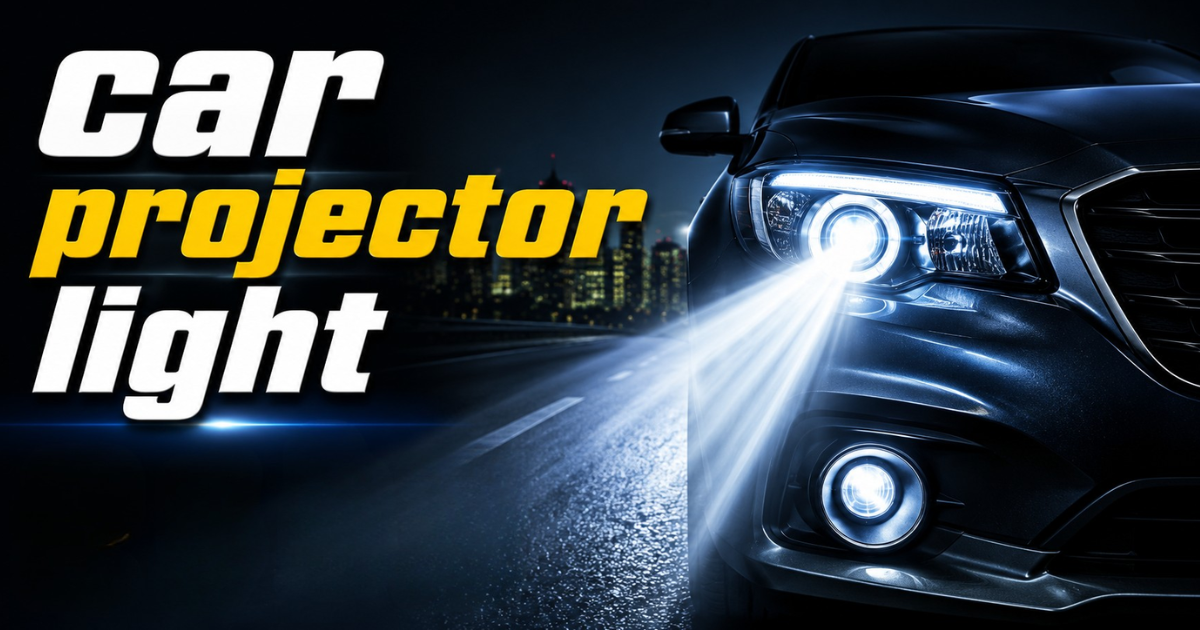
I still remember the first night I swapped plain bulbs for a real car projector light on my own hatchback. The change in road illumination felt like turning on a whole new set of eyes. In India, car headlights have moved far past old halogen bulbs, and everyday drivers now treat an aftermarket car projector light upgrade as a smart, practical step. It’s one of the most common vehicle modifications rather than a rare luxury.
Yet manufacturers keep chasing better projector technologies, because oncoming traffic, fog, and heavy rain demand more than a plain light beam can give. Shops such as CarHatke, CarOxygen, and AutoGlam sell vehicle-specific lighting solutions built around a proper lens and a focused beam. A quality car projector light cuts the glare hitting the driver ahead while lifting nighttime visibility for the driver behind the wheel.
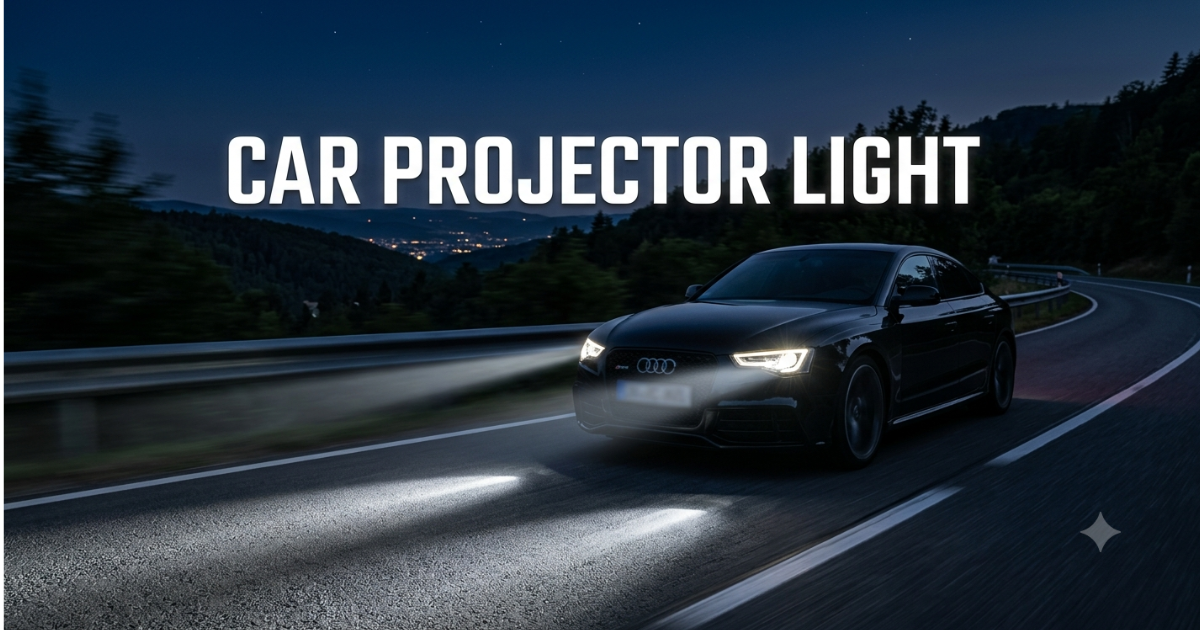
These lighting accessories now count as an essential safety component rather than an afterthought. A well chosen car projector light gives night driving real, dependable performance on modern Indian roads.
What Is a Car Projector Light System?
People often ask me to explain the headlight technology in plain words, so here is how I put it. A car projector light is a front-mounted lighting system built to send light exactly where a driver needs it, not everywhere at once.
Older conventional headlights, running on halogen or basic Xenon bulbs, threw a wide, messy beam pattern that made glare a real problem for other road users. A proper projector, by contrast, uses a convex lens, a reflector housing, and a cutoff shield to create a concentrated beam with sharp focus.
This projector-based lighting setup lifts driving confidence and sharpens vehicle identification for oncoming cars. A modern car projector light widens road coverage and gives nighttime visibility a level of brightness that ordinary reflector headlights simply cannot match.
Features and Types
Walk into any lighting shop and you’ll see just how many types exist. There are factory halogen headlights, upgraded HID headlights, full LED headlights, and premium Xenon headlights, each offering different road illumination and driving performance.
Modern projector housings now come as Bi-LED kits, single projector units, or full Bi-LED lights with laser-assisted projectors thrown in for extra reach on high beam. The low beam stays soft and steady for daily night driving.
Many kits add LED daytime running lights with sequential turn indicators, matrix-style indicators, and tri-color modes that switch cleanly between DRL, turn, and brake functions. This is where a good car projector light setup really shows its versatility.
On the technical side, lens technology and advanced optics work together with xenon gas or aftermarket LED bulbs to deliver high-intensity, bright white illumination. All this happens while keeping power consumption low and heat management efficient.
Along with premium beam quality and strong highway performance, a properly fitted car projector light brings long-distance visibility from fog lamp projectors built for daily driving and reduced glare.
Benefits of Upgrading
Upgrading pays off in ways that go beyond looks. Good reflector headlights or true LED technology give driver visibility a real edge, helping spot pedestrians, potholes, obstacles, and road signs sooner.
Compared with old halogen bulbs, a car projector light kit offers a sharp cutoff line and real light scatter control. This helps minimize glare for oncoming traffic on both city streets and highways.
Owners also enjoy minimal maintenance, a longer lifespan, and durable components, which keep replacement costs low. Reliable performance and consistent illumination stay high night after night.
On the style side, a factory-installed look, luxury-inspired look, and modern appearance give a car real curb appeal. The mix of superior night visibility and energy efficiency makes this one of the smartest upgrades a driver can make.
Things to Consider Before Buying
Before buying, I always tell friends to check vehicle compatibility first, since fitment issues cause most returns. Confirm the bulb type the kit needs — common codes include H4, H7, H11, and 9005 and match it against your car’s socket.
Look closely at lens quality, brightness level, and whether the unit offers proper high beam functionality alongside low beam functionality. A weak beam pattern defeats the purpose of the car projector light upgrade.
Finally, review brand reputation and warranty terms, confirm beam alignment is adjustable, and make sure replacement parts are easy to source later. These small checks decide whether your car projector light purchase lasts for years or fails within months.
Vehicle Compatibility
Fitment varies a lot across the Indian market, so kits are usually sold by vehicle make and model year. Popular choices cover the Maruti Suzuki Swift, Hyundai Creta, Tata Nexon, and Honda City.
SUV buyers often look at the Toyota Fortuner, Mahindra Scorpio, Ford EcoSport, and other utility vehicles. Sedan and hatchback owners search for kits made for the Volkswagen Polo, Skoda, Kia, MG, Nissan, and Renault models.
Premium segment owners look toward BMW, Audi, and Mercedes-Benz, and every good supplier lists the exact manufacturing year and bulb type needed. Since these brands all sell slightly different Indian models, always confirm fitment before you order.
Installation Tips
Installation deserves real care, not guesswork. I always recommend professional installation over a DIY attempt, because headlight retrofitting involves delicate wiring.
Mistakes with wiring modifications or an improper factory replacement can damage a car’s electrical systems. Check vehicle compatibility first and treat any aftermarket lighting modifications with caution.
Follow local road regulations on beam height and color, and get beam alignment checked right after fitting a new projector unit so the light lands exactly where it should.
Maintenance Tips
Keeping projector lights in top shape is simple once it becomes a habit. Do a regular wiring inspection to catch connections that have come loose, and watch for moisture buildup behind the headlight lenses.
Stick to gentle lens cleaning, never abrasive cleaners, and always clean lenses with a soft cloth. A good trick I use is to polish cloudy lenses every few months to bring back full brightness.
Conclusion
After years of testing different kits, my honest view is simple: a good car projector light genuinely changes the driving experience for the better. Choosing vehicle-compatible, model-specific kits built from high-quality components leads to safer nighttime driving.
Trusted reflector headlights and projector fog lamps handle rough road conditions with reliable performance. These upgrades bring enhanced road safety, improved visibility, and long-term durability that match most drivers’ needs without fuss.
Between easier installation, focused beam technology, stylish DRLs, and a fresh, modern look, today’s projector lighting products simply offer safer driving and a modern vehicle appearance that older halogen setups never could match.
FAQs
What is the difference between a projector headlight and a reflector headlight?
A projector headlight uses a convex lens and cutoff shield to focus light into a sharp, controlled beam, while a reflector headlight simply bounces light off a curved surface without the same precision, causing more scatter and glare.
Which bulb type should I check before buying a projector kit?
Match your car’s existing socket to the kit common types are H4, H7, H11, and 9005 — since fitment mismatches are the most common reason for returns.
Is it safe to install projector headlights myself?
Professional installation is strongly recommended, since retrofitting involves delicate wiring, and mistakes can damage your car’s electrical system or throw the beam alignment off.
How often should projector lenses be cleaned or maintained?
Clean the lenses gently every few months with a soft cloth (never abrasive cleaners), and check beam alignment periodically, especially after suspension or wheel work.
Do projector headlights actually improve night driving safety?
Yes, a properly fitted, vehicle compatible unit sharpens the beam cutoff, reduces glare for oncoming traffic, and extends visibility range, which most drivers notice immediately in foggy, rainy, or highway conditions.